Make time for Sarajevo, where east meets west
What not to miss in Sarajevo: the Tunnel of Hope, the Sarajevo roses, Bascarsija, the Yellow Fortress at sunset and where to eat the best cevapi.
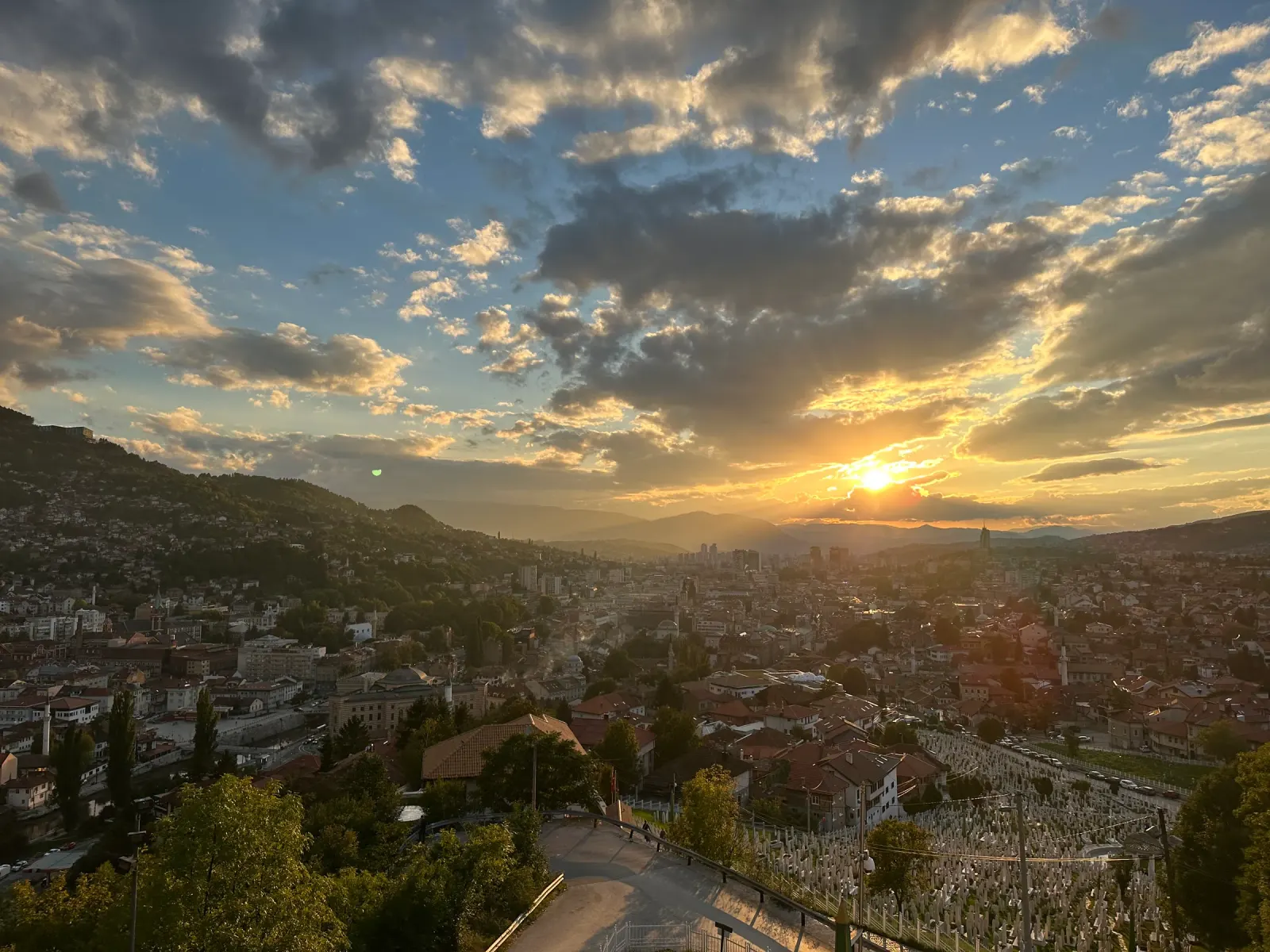
Sarajevo is one of the most impressive cities I have ever visited. Not the prettiest, though it is very pretty. Not the best known, though it deserves to be. Not the loudest either, though you get a lot of warmth from the people here. What stays with you is the history, stacked up across so many eras that it feels like several cities folded into one. These are the things to do in Sarajevo that I would show you, and the stories behind them.
A city built up in layers
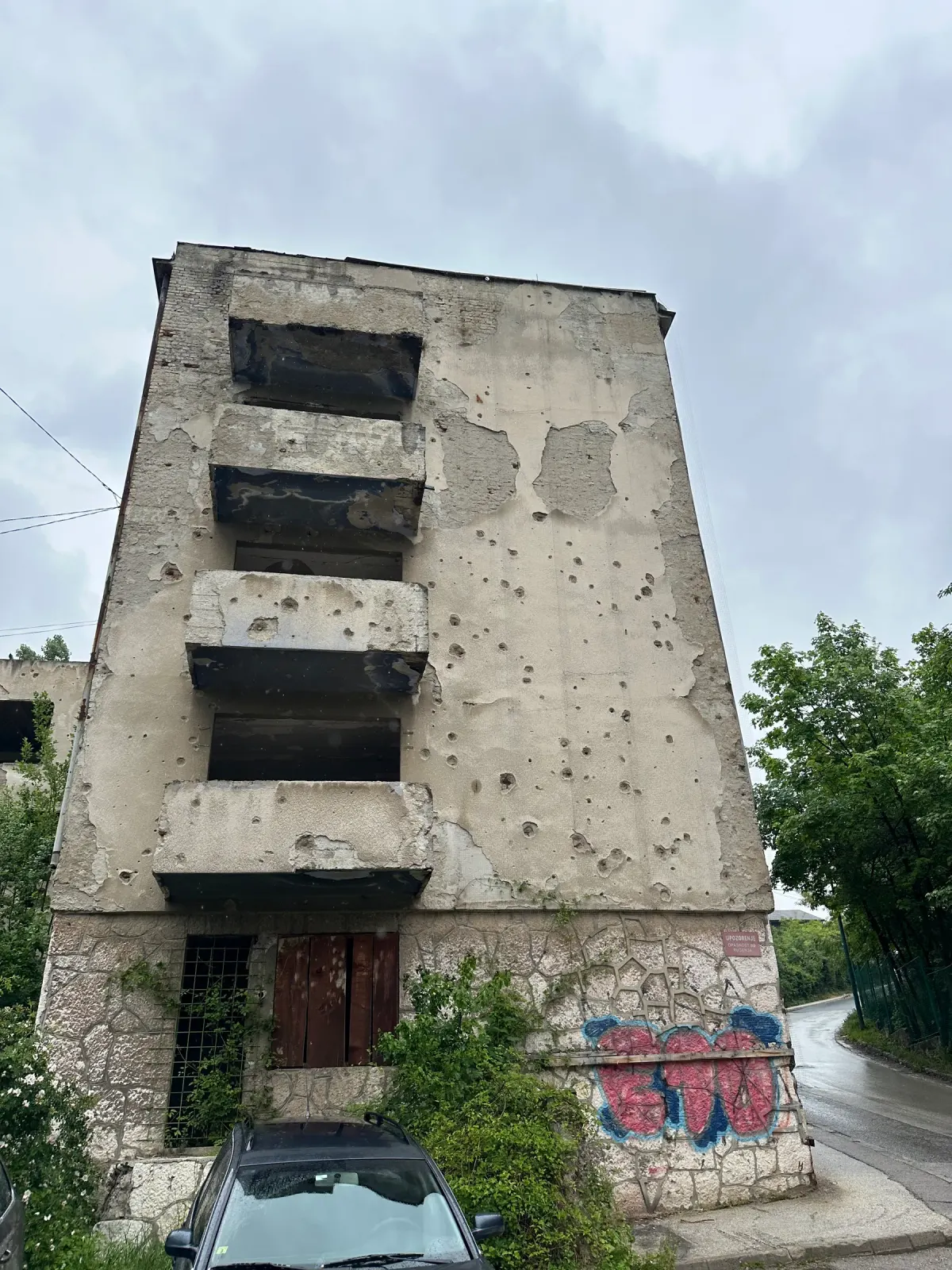
Sarajevo has been ruled by a long line of empires, and you read that in the streets. The strongest marks come from the Ottoman and the Austro-Hungarian periods, and the two sit right next to each other. The history that hits hardest, though, is recent. The war in the Balkans in the 1990s is felt and seen more clearly here than anywhere else I have been.
Sarajevo roses and Sniper Alley
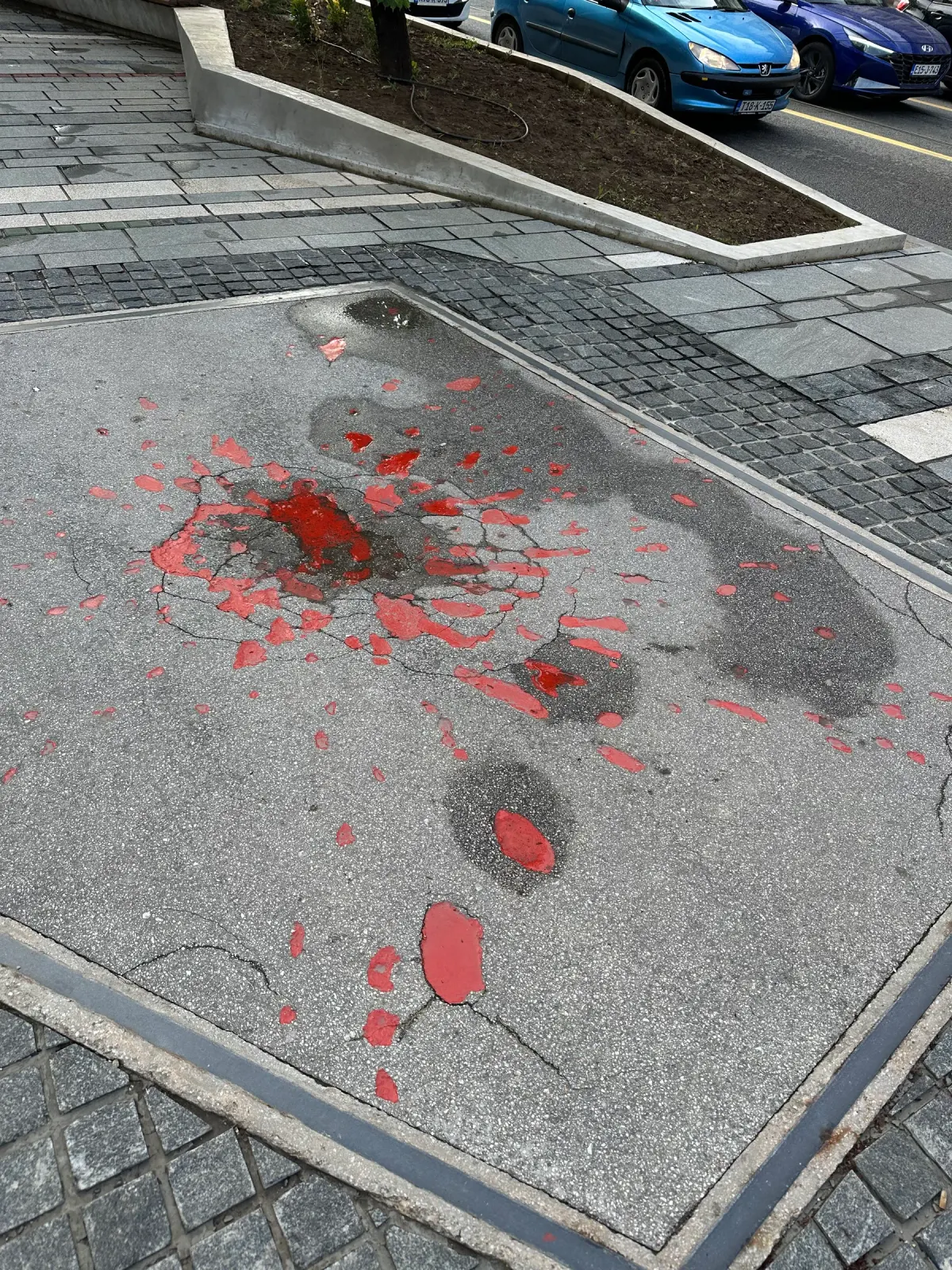
You start to notice the Sarajevo roses once someone points one out. They are the scars a shell left in the pavement, later filled with red resin, marking the places where more than ten people were killed. They are not a sight to tick off. You simply come across them as you walk.
Mesa Selimovic Boulevard was known back then as Sniper Alley. Serbian troops on the mountain above had a clear line down the street and shot at ordinary people. One of the ugliest chapters is the Sarajevo Safari, when wealthy westerners paid to shoot at innocent Bosnians from those positions. It is hard to find words for how grim that is. I have a lot of friends in Sarajevo, and their own stories about those years are harrowing, so I listen more than I talk when it comes up.
The Tunnel of Hope
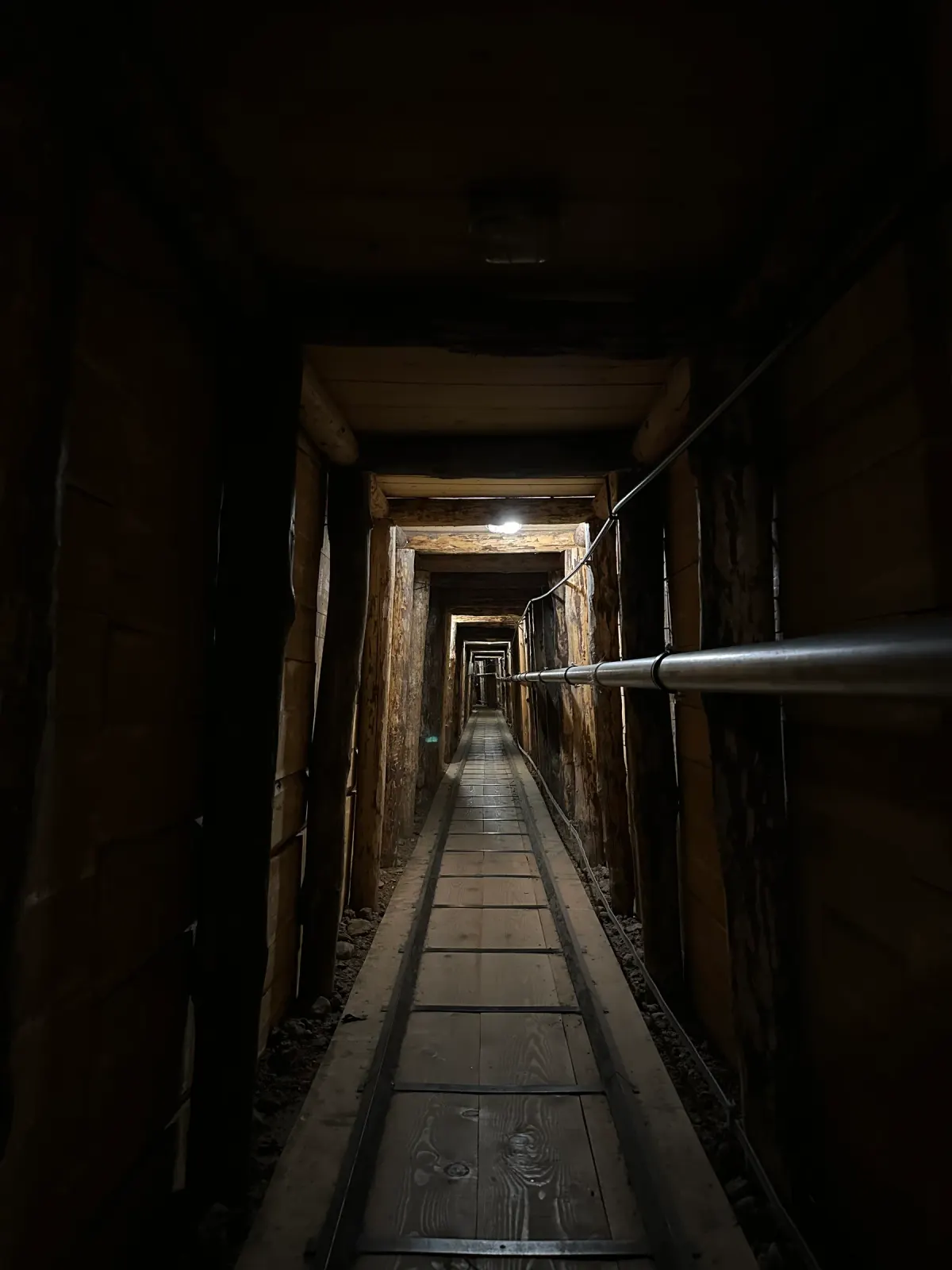
Sarajevo sits in a bowl, ringed by mountains, which made escape almost impossible during the siege. Serbian forces surrounded the city on every side, with one exception: the airport on the south side was a neutral zone. Underneath it the Bosniaks dug a tunnel to the free territory outside, so supplies could reach the city.
That tunnel is the Tunnel of Hope, also called the Tunnel of Life, and you can visit it. There is a museum on the spot now. Go to understand what the siege meant day to day, and go quietly.
The Latin Bridge and Franz Ferdinand
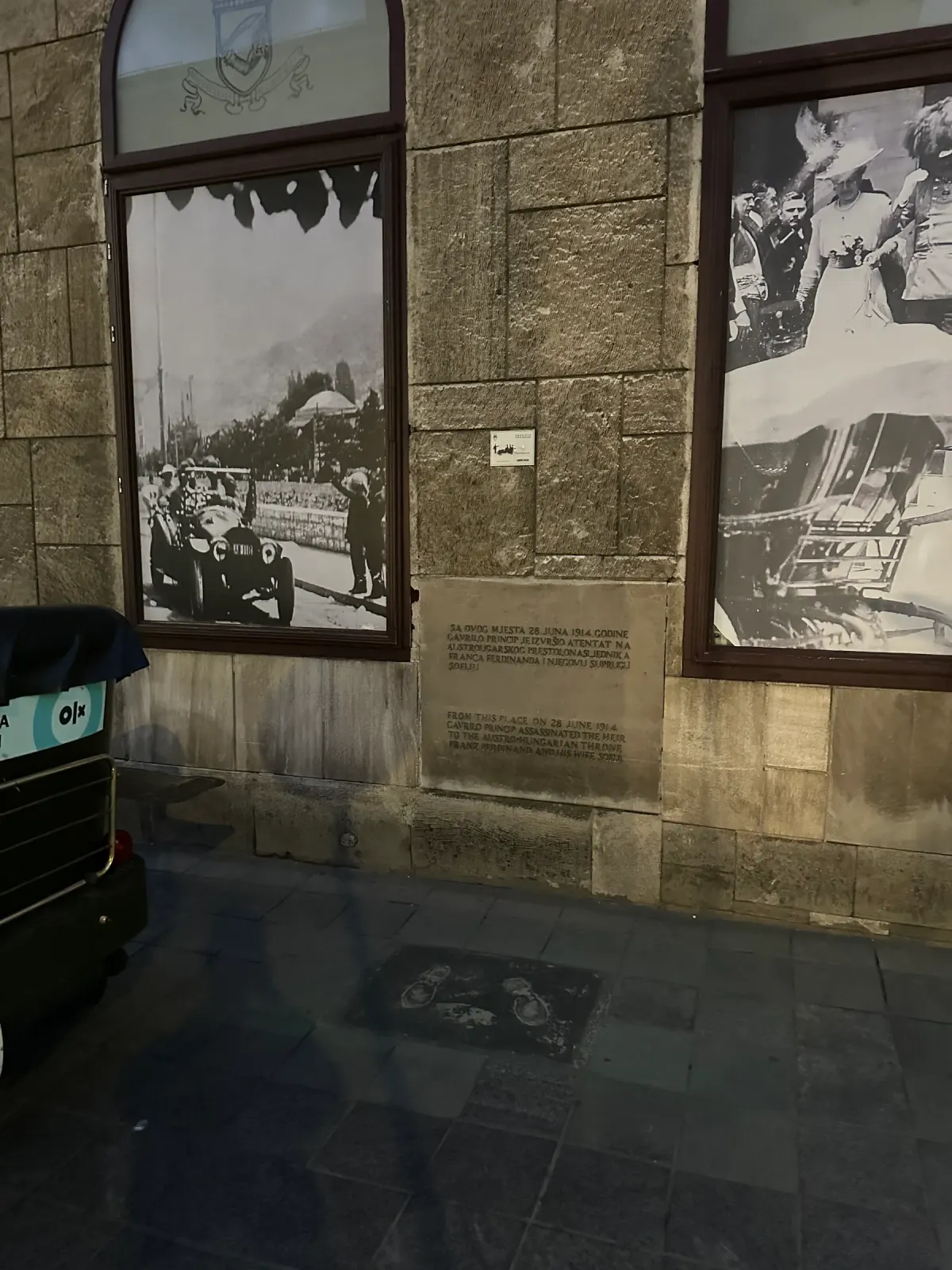
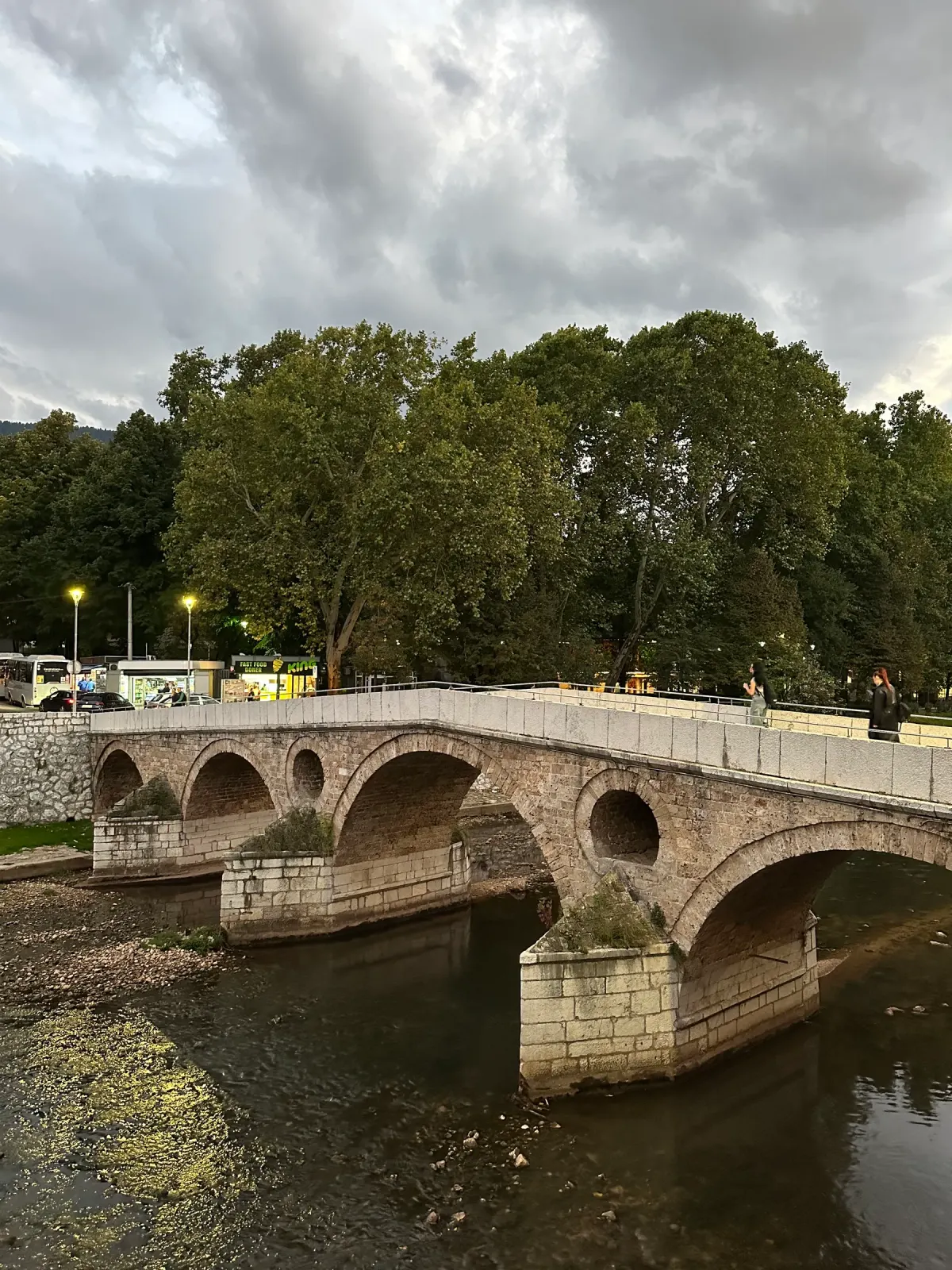
A short walk from the old town is one of the most loaded corners in modern European history. This is where Franz Ferdinand was assassinated by Gavrilo Princip, right on the corner by the Latin Bridge, an event that set off the First World War. The footsteps are still marked in the ground where it happened. It is a small stone bridge over the Miljacka, and it is strange to stand on an ordinary street corner that changed so much.
Where east meets west, and Bascarsija
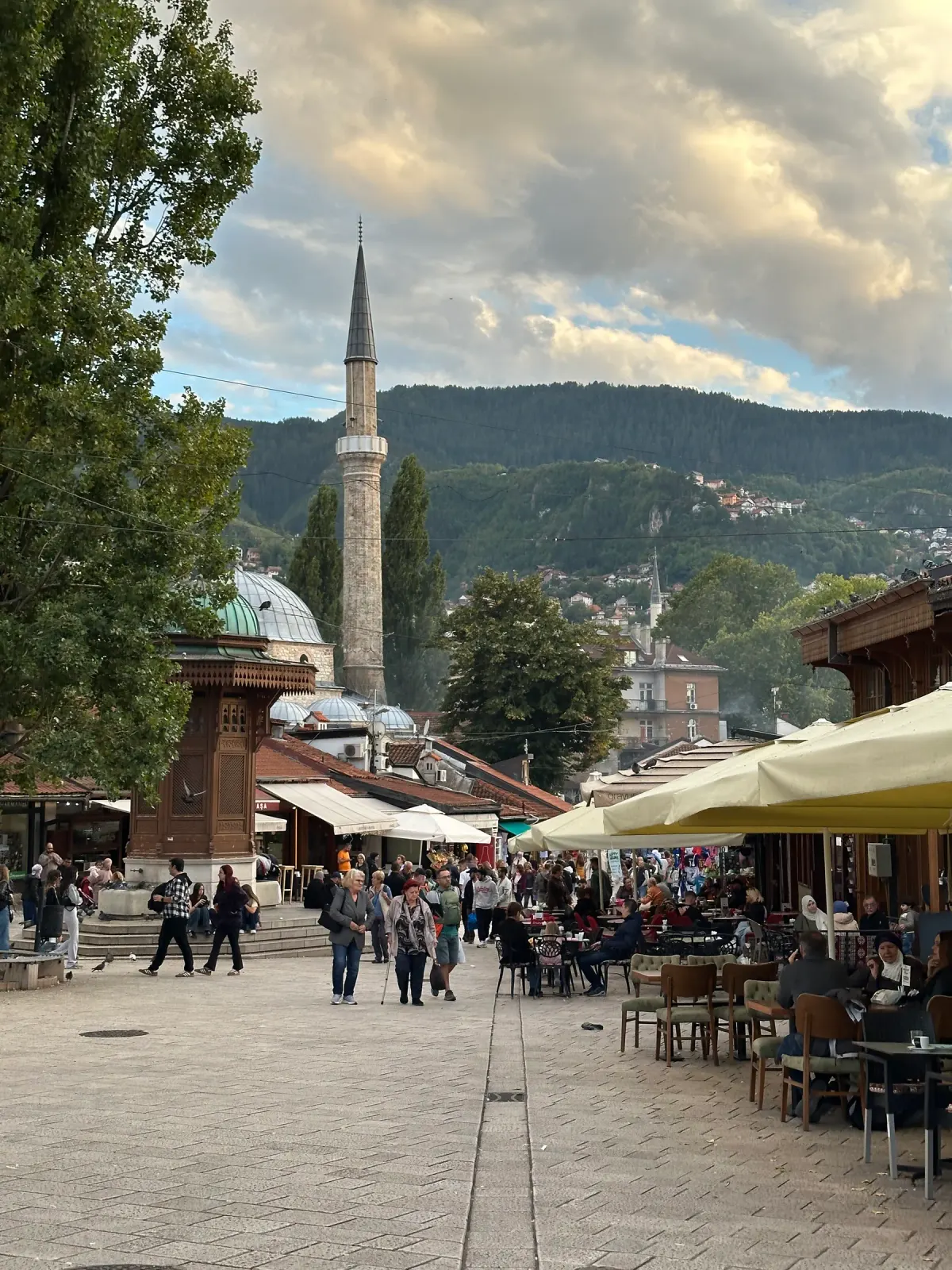
Sarajevo is diverse because so many powers left their mark, and the clash is clearest at the point called the Sarajevo Meeting of Cultures. Look east and you could be walking in Istanbul. Turn west and it feels like Vienna.
The city is also called the Jerusalem of Europe, because nowhere else do you have such a short distance between a church, a mosque and a synagogue. The way the faiths sit side by side is one of the things I like most about the place.
Bascarsija is the central square, fully Ottoman in style and full of pigeons. I watched a woman get swarmed by them because she was holding food, so keep your snacks in your bag. It is the old heart of the city, and from here you walk straight into the bazaar. The contrast between the two styles is one of the most interesting things about Sarajevo, as if you get several cities in one. And for all the centuries of occupation, Bosnian culture is still the main culture here.
The Yellow Fortress at sunset
The place that shows me that best is the Yellow Fortress, and it is also the best spot for sunset. It is a short walk up from the center, maybe ten minutes, and the view over the city is unreal. From up there you also look out over the cemetery where hundreds of people lie who died in the Siege of Sarajevo. You see the whole city, the beauty and the weight of it, in one frame.
Where to eat cevapi
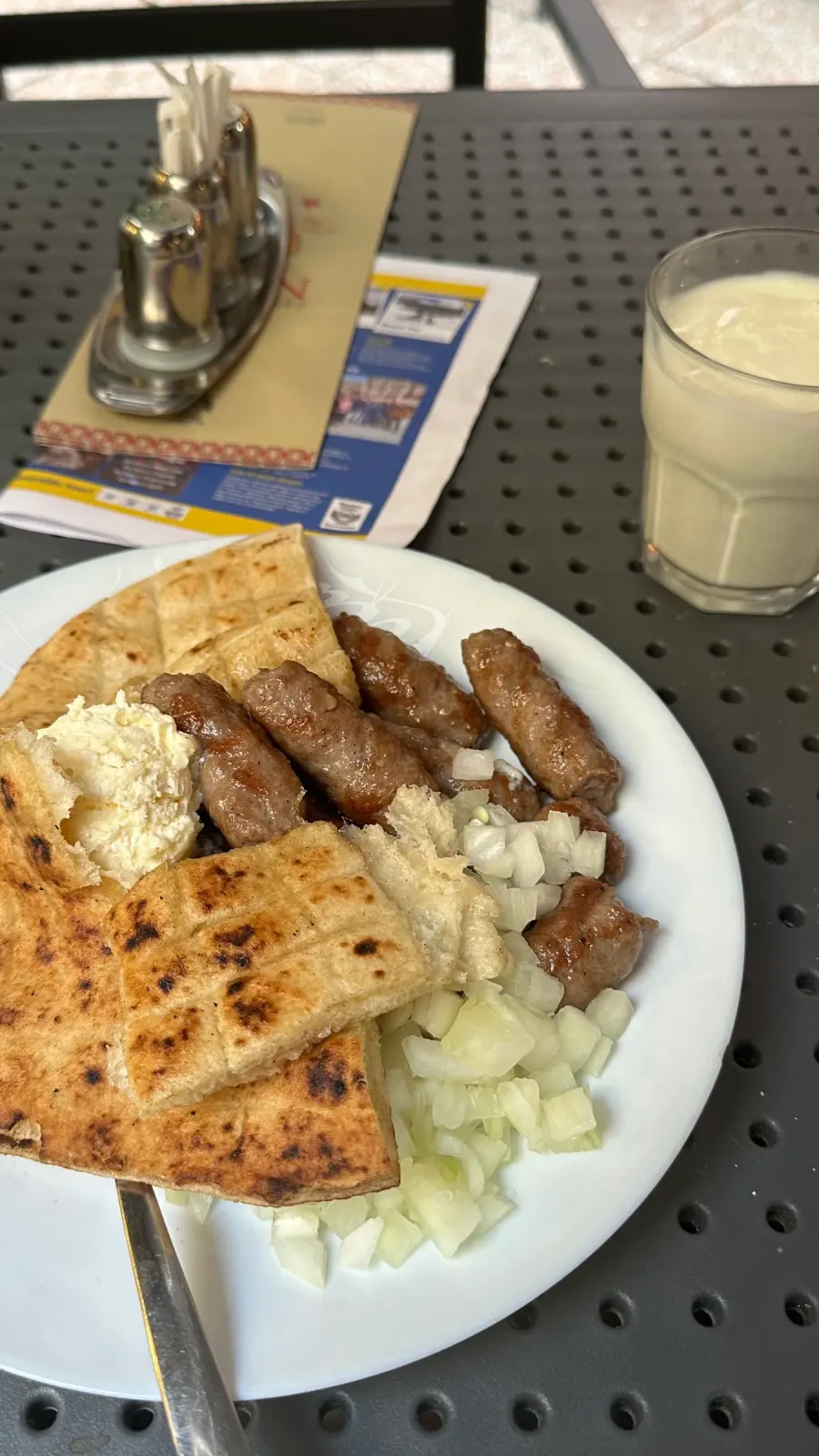
I love the food here, and cevapi is what I order first. In Bosnia you will also hear it called cevapcici. They are small grilled pieces of meat shaped like little sausages, though they are not sausages. My go-to is Cevabdzinica Nune. Order the cevapi with Bosnian bread (lepinje), onions, kaymak and ajvar, and a big glass of kefir on the side. It is filling, cheap and very good.
Come with a bit of time, an open mind and an empty stomach. If you are building a wider route through the region, my Bosnia guides show how Sarajevo fits with the rest of the country.
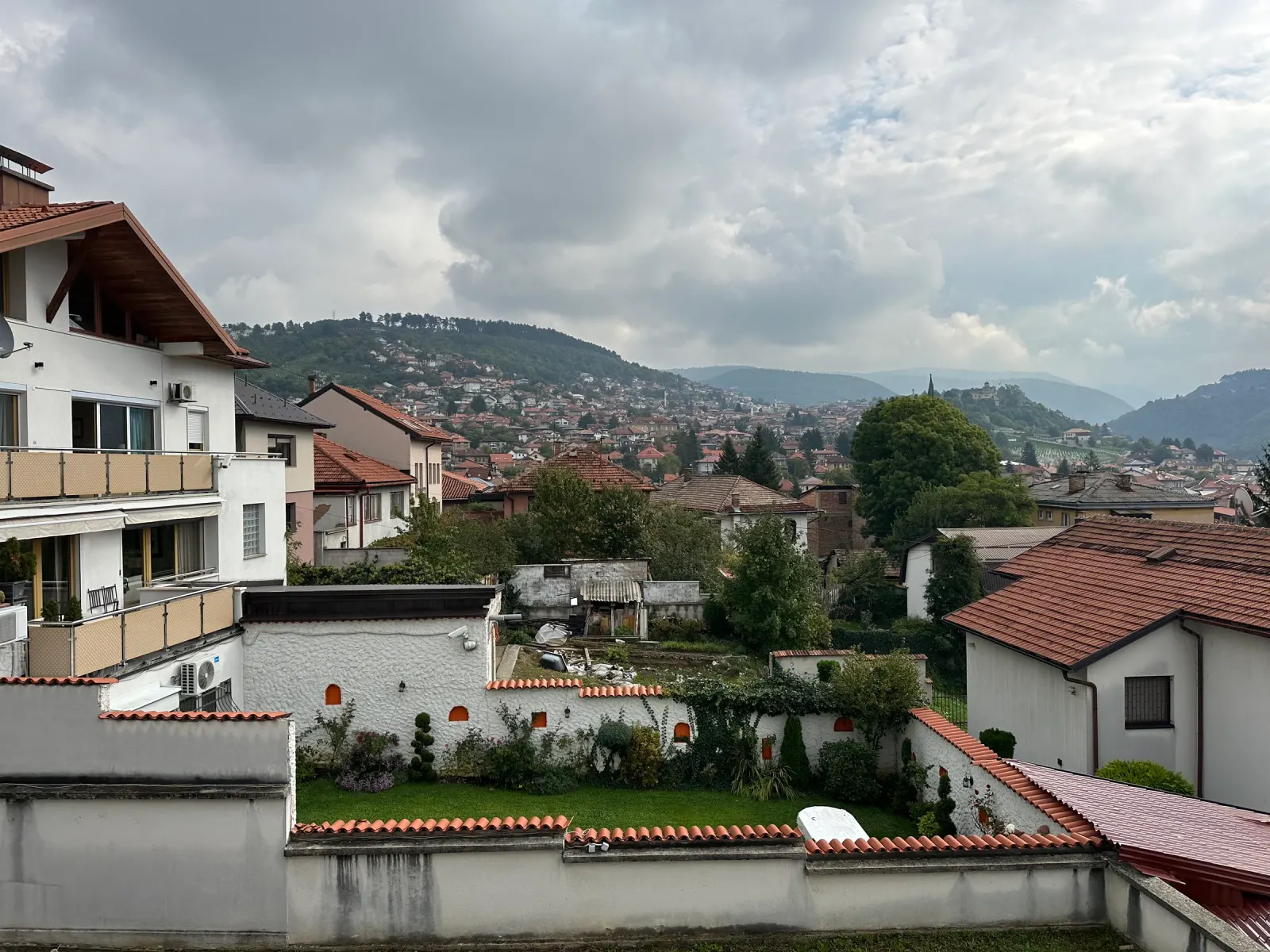
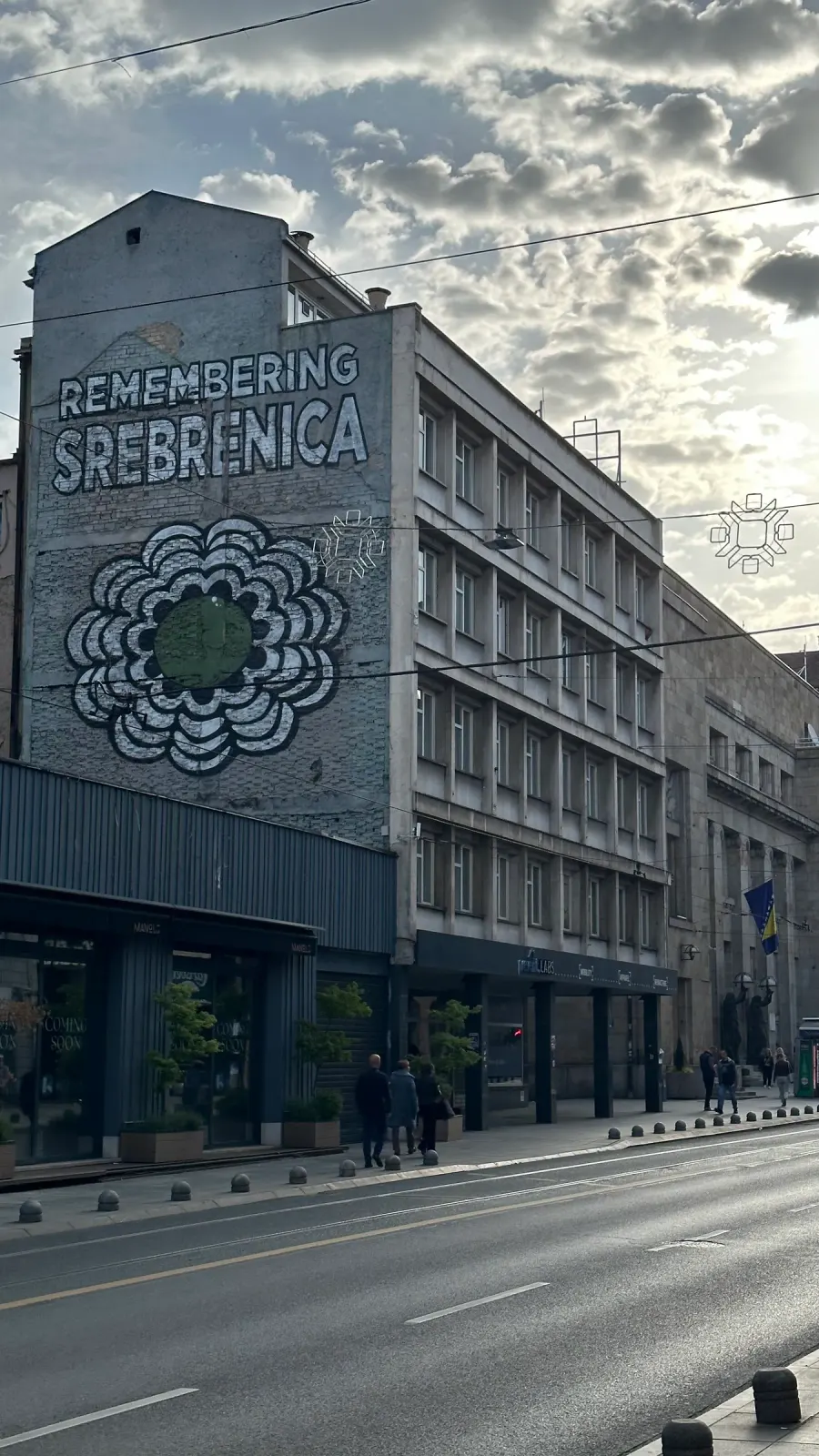
Photos from this trip
Frequently asked questions
Is Sarajevo worth visiting?
Yes. It is one of the most impressive cities I have been to, with more layers of history packed into a small space than almost anywhere else. It is pretty, warm and still fairly unknown, and the recent war makes it a place that stays with you. Go with time and an open mind.
How many days do you need in Sarajevo?
Two or three days is enough to walk the old town, the Latin Bridge and the line where east meets west, and still climb the Yellow Fortress for sunset. Add a day for the Tunnel of Hope museum near the airport if you want to understand the siege properly.
Is Sarajevo safe for tourists?
In my experience, yes. The center is busy and friendly and I always felt comfortable walking around, including in the evening. Use normal city sense in crowded spots and check your government's current travel advice before you go.
What is the Tunnel of Hope in Sarajevo?
During the siege the city was surrounded on every side except the airport, which was a neutral zone. Underneath it the Bosniaks dug a tunnel to the free territory so supplies could get in. It is called the Tunnel of Hope, or Tunnel of Life, and there is a museum on the spot you can visit.
What are the Sarajevo roses?
They are the scars left in the pavement where a shell exploded, later filled with red resin. The flower-shaped marks stand where more than ten people were killed, so they are a quiet memorial rather than a sight. You come across them as you walk the city.
Where should I eat cevapi in Sarajevo?
I go to Cevabdzinica Nune. Order the cevapi, small grilled pieces of meat, with lepinje bread, onions, kaymak and ajvar, and a big glass of kefir on the side. It is cheap, filling and one of my favorite meals in the city.