Inside Moldova, Europe's Least-Visited Country
The best things to do in Moldova: Chisinau, the giant underground wine cellars, Orheiul Vechi and Transnistria, with practical tips from my trips to Moldova.
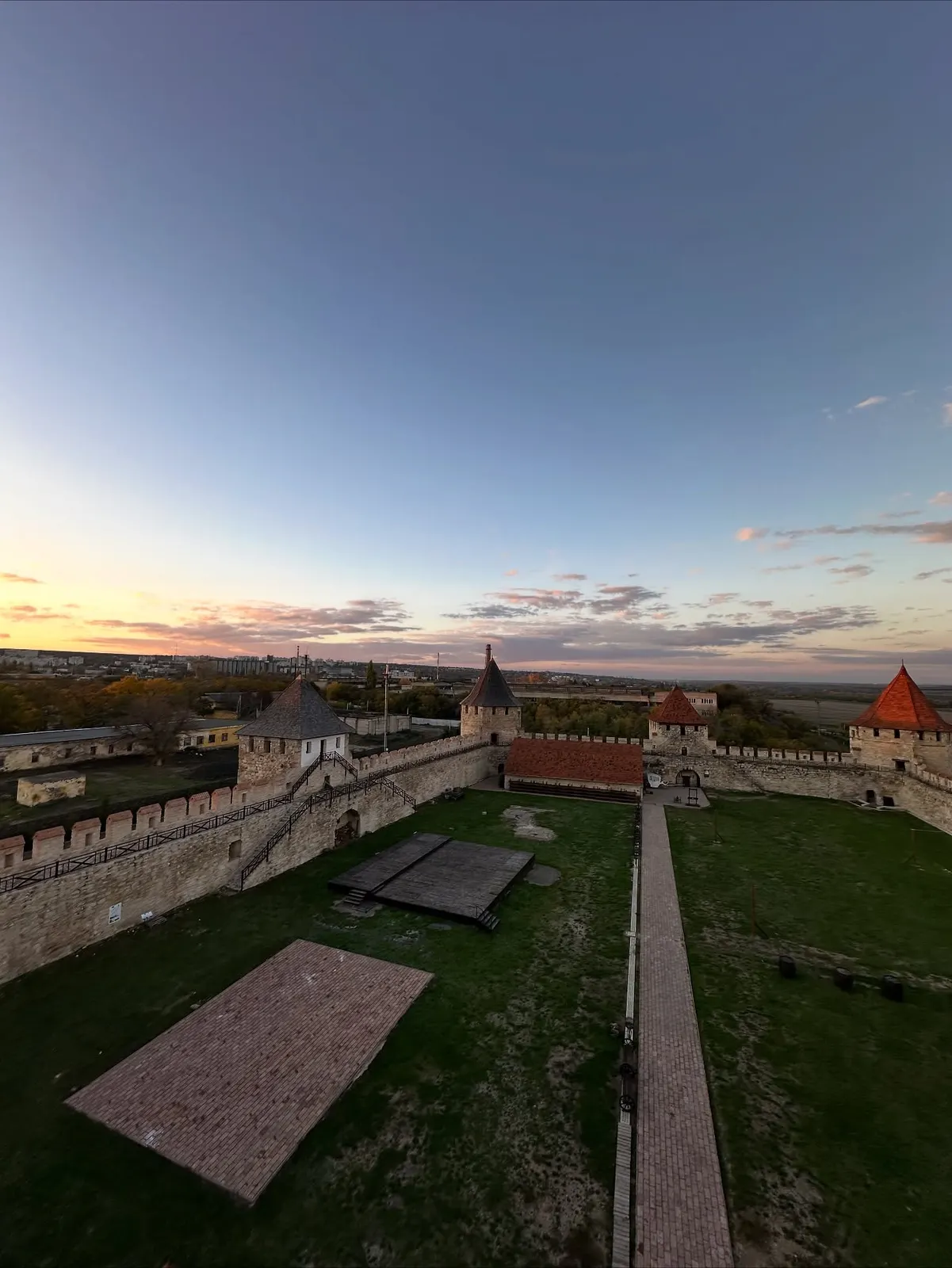
Most people I know can’t place Moldova on a map. That is why I went. Wedged between Romania and Ukraine, it is regularly named as one of the least-visited countries in Europe, and after my trips I can tell you the empty tourist trail is part of the charm. These are the best things to do in Moldova, based on what I saw and what I would do again.
Is Moldova worth visiting?
Yes, if you like travel that feels a little unscripted. Moldova has no famous landmarks and little polished infrastructure. What you get is space, hospitality and the feeling that you are seeing somewhere before everyone else does.
The country is small, so you can see a lot in a few days. The local currency is the leu, and in my experience it is one of the cheapest places in Europe for food, wine and getting around. I am not going to quote exact prices because they shift, but you will notice it the first time the bill arrives.
Chisinau: the capital and your base
Most trips start in Chisinau, the capital and by far the biggest city. It mixes Soviet-era blocks, leafy parks, wide boulevards and a growing café scene. It is not pretty in a postcard way, but it is interesting, and I keep finding odd corners, including an abandoned hotel I filmed (see the reel above).
I wrote a separate guide to the city itself, so I won’t repeat it here. Spend a day wandering the centre, eat something local and use it as your base. Almost everything else in Moldova is a short trip out of town, and you can find the city and more on my Moldova guides page.
Cricova and Milestii Mici: the giant wine cellars
If there is one reason to put Moldova on your list, it is wine. The country has a long winemaking tradition, and two places stand out: Cricova and Milestii Mici. Both count among the largest wine cellars in the world, and both are underground.
The scale surprised me. You do not walk past a few barrels. You ride through a network of tunnels that works like a town under the hills, with long galleries lined with bottles and signs that name the streets. It stays cool down there, so bring a jacket even in summer.
Both cellars offer guided tastings, and it is wise to book ahead rather than turn up and hope. If you only have time for one, pick whichever fits your route. If you have time for both, do both. Moldovan wine is good value, and the tastings are an easy way to try local grapes you will not find at home.
Orheiul Vechi: the cave monastery
For a complete change of pace, head out to Orheiul Vechi, a short trip from the capital. It is a cave monastery complex carved into a limestone cliff above the Raut river. The setting is what stays with you: green hills, a river bend and a small religious site cut straight into the rock.
I like going here after the wine cellars because it shows a quieter, more rural side of the country. Wear proper shoes, as the paths can be uneven. It is one of the top things to do in Moldova, and it still rarely feels crowded.
Transnistria: what to know before you go
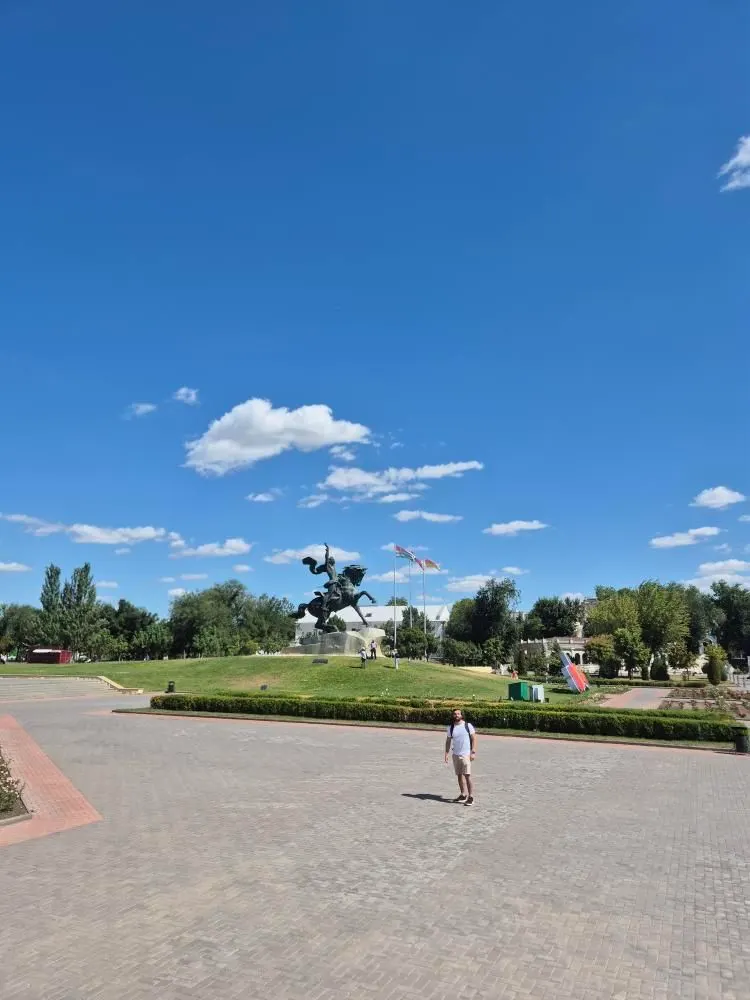
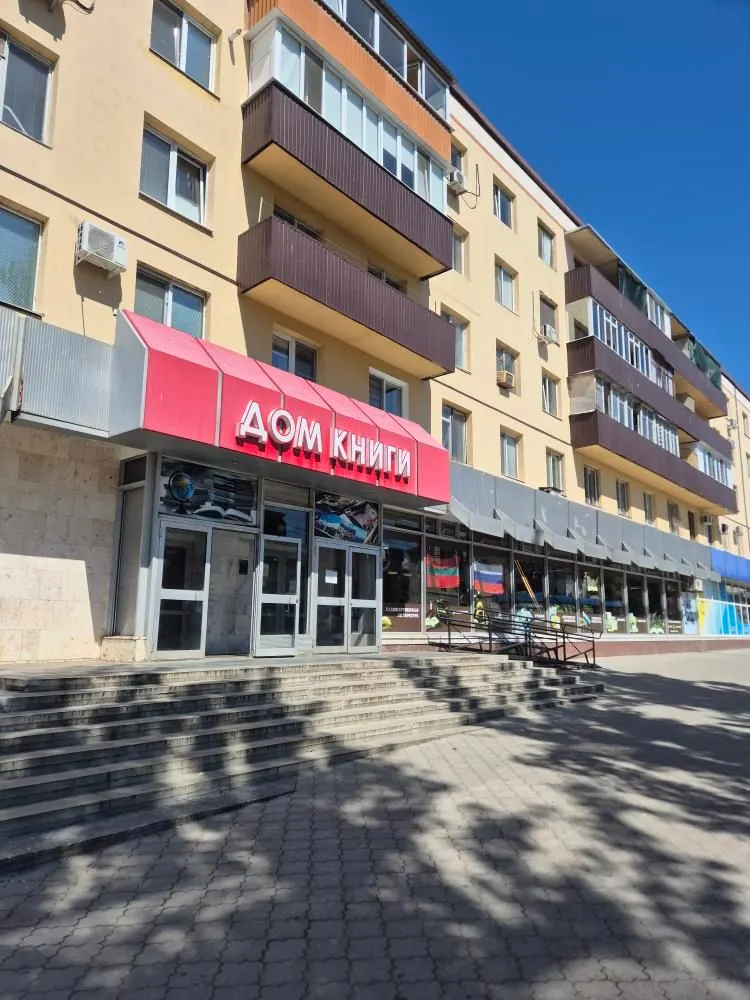
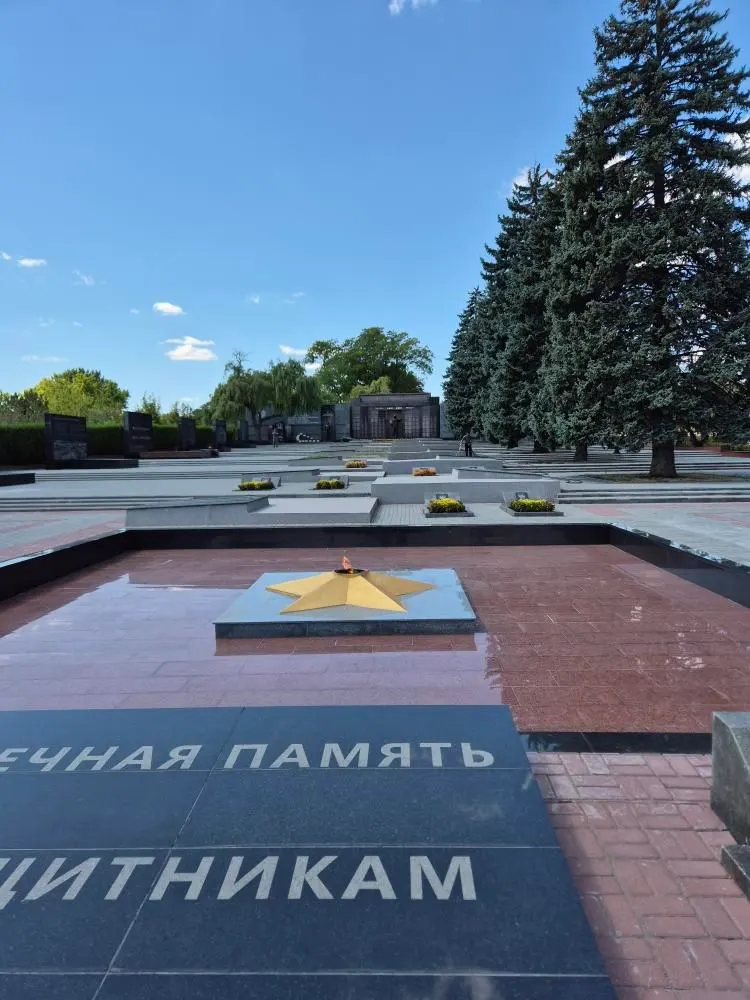
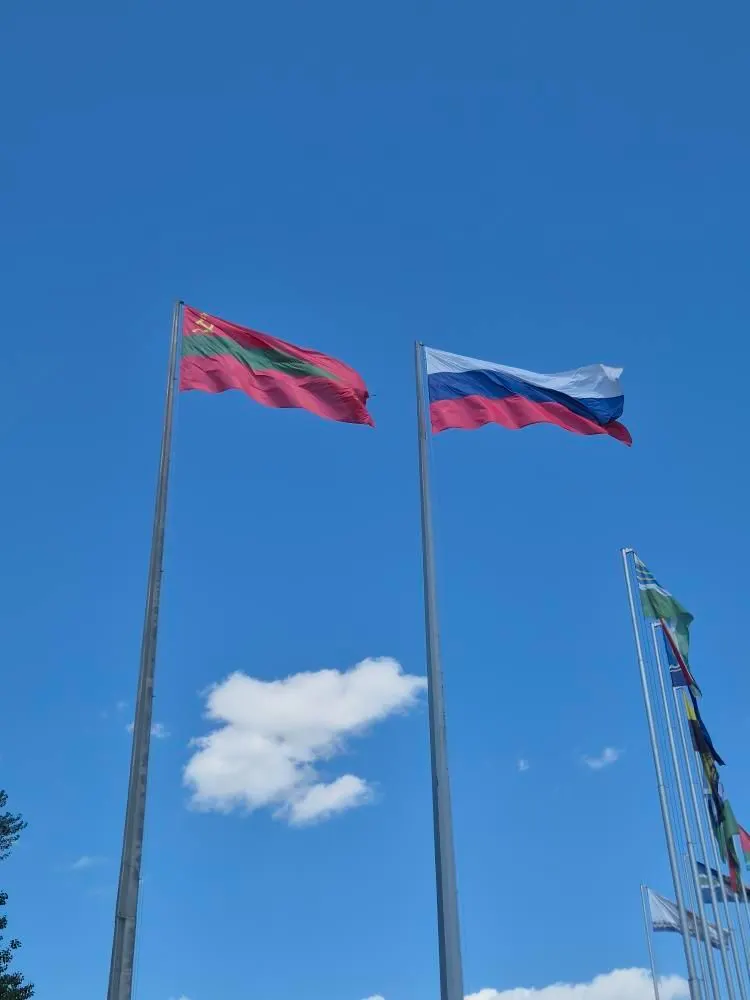
Then there is Transnistria. This narrow strip of land along the Ukrainian border declared itself independent from Moldova in the early 1990s. No country officially recognises it, and internationally it counts as part of Moldova. Day to day, though, it runs as its own place, with its own border checks, its own currency and its own flags.
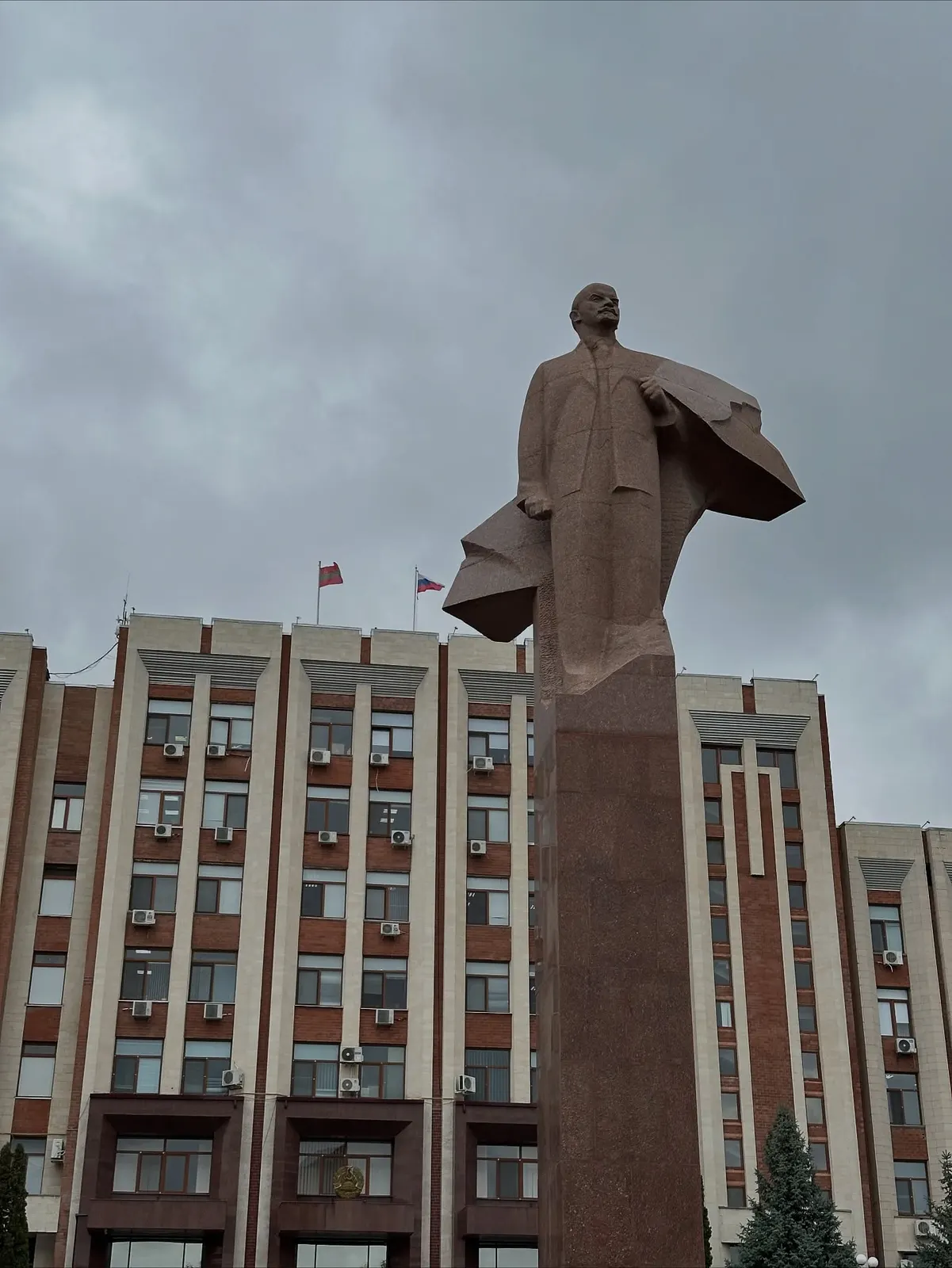
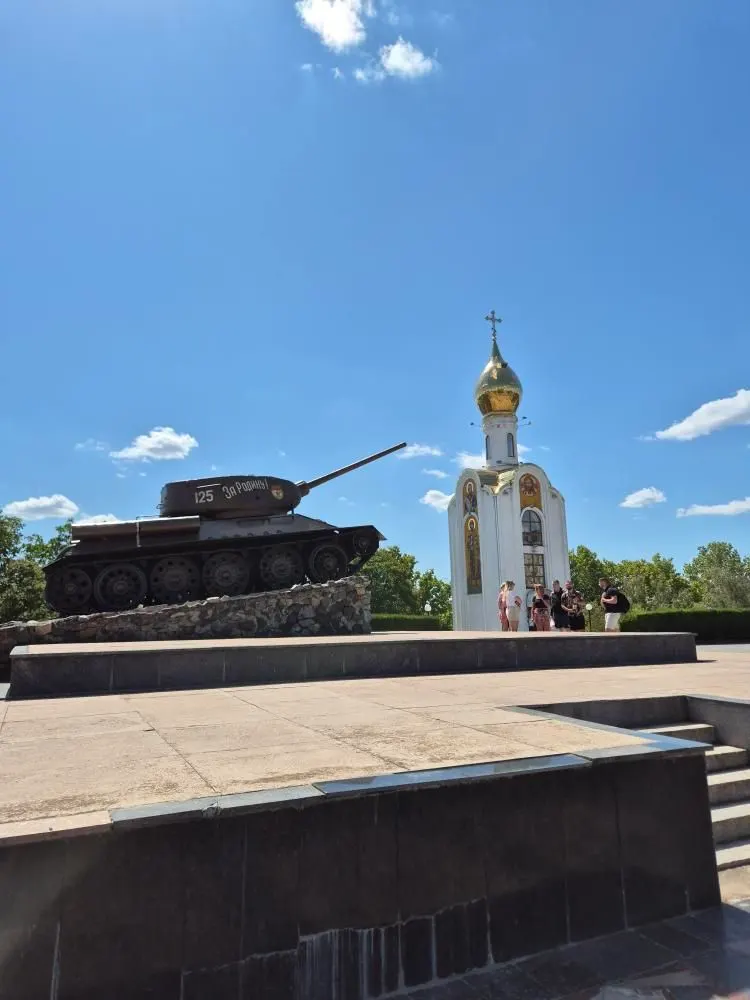
For a traveller, it feels like stepping into a preserved piece of the Soviet era. Statues, slogans and architecture you rarely see elsewhere are still part of daily life. The main city is Tiraspol, and many people visit it on a day trip from Chisinau.
A few practical notes. Rules and conditions at the crossing can change, and the wider region is affected by the war in neighbouring Ukraine, so check current government travel advice before you go. Because no country recognises Transnistria, consular help there can be limited. Carry your passport, be polite to officials and be careful about photographing sensitive places such as military sites. Real people live there, so treat it as a look at an unresolved political situation.
A simple Moldova itinerary
If you have three or four days, this is how I would split them:
- Day 1: Chisinau on foot, local food and an evening in a café.
- Day 2: Cricova or Milestii Mici for the wine cellars, booked ahead.
- Day 3: Orheiul Vechi in the morning, then back to the capital or on to the countryside.
- Day 4: Tiraspol in Transnistria, only if the current travel advice allows it.
A few practical tips. Late spring to autumn is comfortable, and autumn is the wine season. Bring some cash, because cards work in the city but smaller places can be cash only. Day trips by car, taxi or organised tour cover most highlights. Services can be simple, so slow down and say yes to local food.
Moldova also pairs well with neighbouring Romania. See my Romania guides for ideas on where to go next.
So, should you go?
If you want crowds and checklists, Moldova is not for you. If you want cheap wine, strange history and a country that still feels like a discovery, go. Start with the cellars, add Orheiul Vechi, and decide for yourself about Transnistria.
I keep adding new places and stories as I go back, so have a look at all my Moldova guides when you start planning your own trip.
Photos from this trip
Video from this trip
Frequently asked questions
Is Moldova worth visiting?
Yes, if you like travel that feels a little unscripted. Moldova has no famous landmarks, but it has huge wine cellars, a cave monastery, a strange Soviet-era corner and very few tourists. The hospitality and the empty trails made the trip worth it for me.
How many days do you need in Moldova?
Three to four days covers the main highlights: a day in Chisinau, a day for the wine cellars, a day for Orheiul Vechi and a day for Transnistria if you want to go. With less time, pick the cellars and Orheiul Vechi.
What are the best things to do in Moldova?
Start with a tasting at Cricova or Milestii Mici, two of the largest wine cellars in the world. Then visit the cave monastery at Orheiul Vechi, spend time in Chisinau, and consider a day trip to Tiraspol in Transnistria.
Is Moldova cheap?
In my experience, yes. Food, wine and getting around felt cheap compared with most of Europe. Prices change, so check current costs before you go. The currency is the leu, and I kept some cash for smaller places.
Is it safe to visit Transnistria?
Many travellers visit on a day trip from Chisinau, but conditions can change. Check current government travel advice before you go, carry your passport and avoid photographing military sites. No country recognises Transnistria, so consular help there can be limited.
What is the best time to visit Moldova?
Late spring to autumn is the most comfortable. Autumn is the wine season, which is the timing I would pick again. Winters are cold and the trips out of the capital are less pleasant.