Albania: beaches, bunkers and old towns
Things to do in Albania from my own trips: Tirana and the Bunk'art bunkers, the Blue Eye, the beaches at Ksamil and Sarande, plus Gjirokaster and Berat.
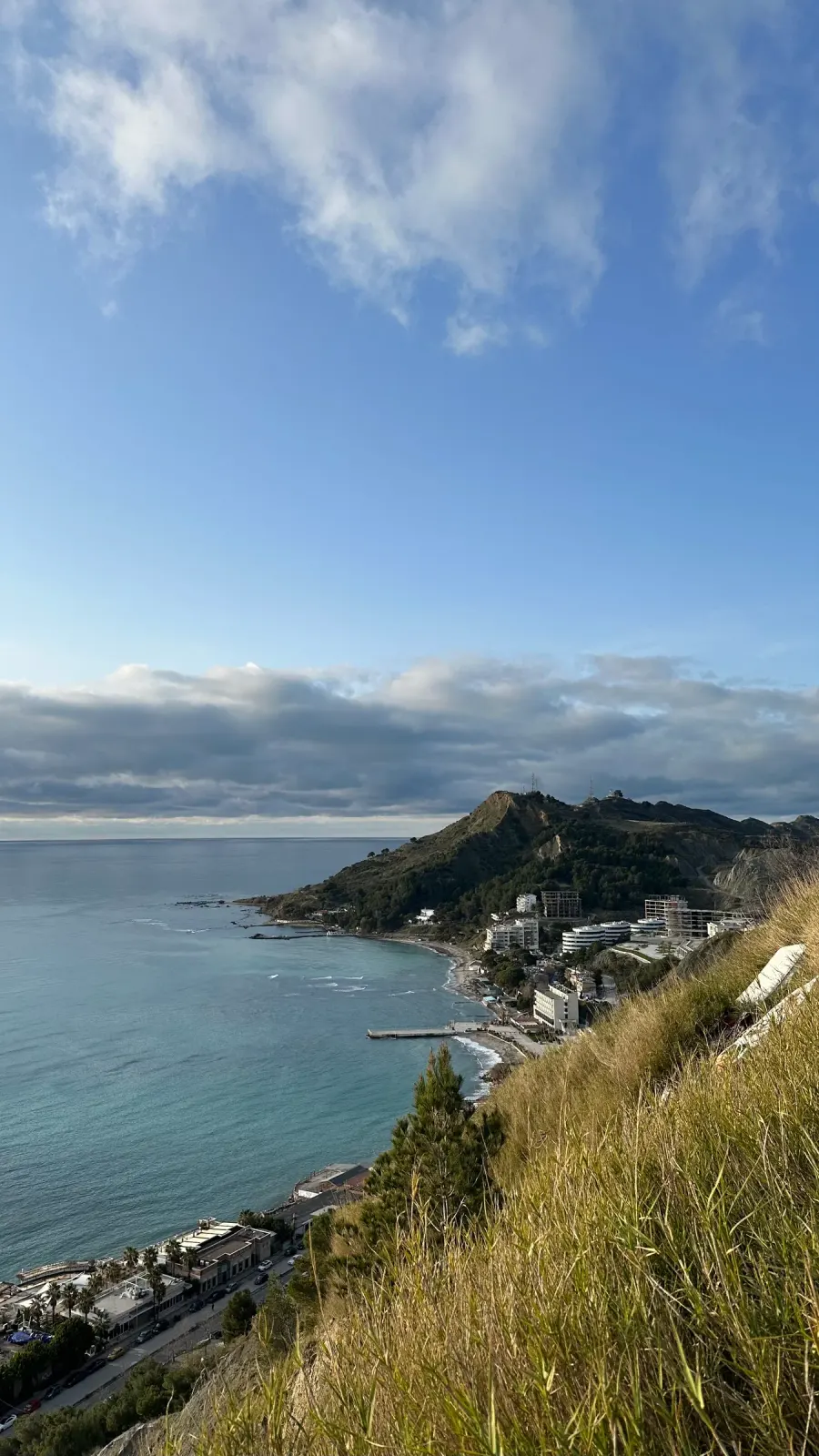
My first time in Albania started in Durres, the second city of the country, and it did not win me over. Durres is a classic seaside resort with the downsides that come with one: a lot of litter and busy beaches that are not much to look at. The green around it is a different story. A friend and I climbed up to the lighthouse of Durres and got a wide view over the beaches from the top. Even so, you can leave Durres off your list. There are far better stretches of coast in Albania, and I will get to those.
Tirana, the Vienna of the Balkans
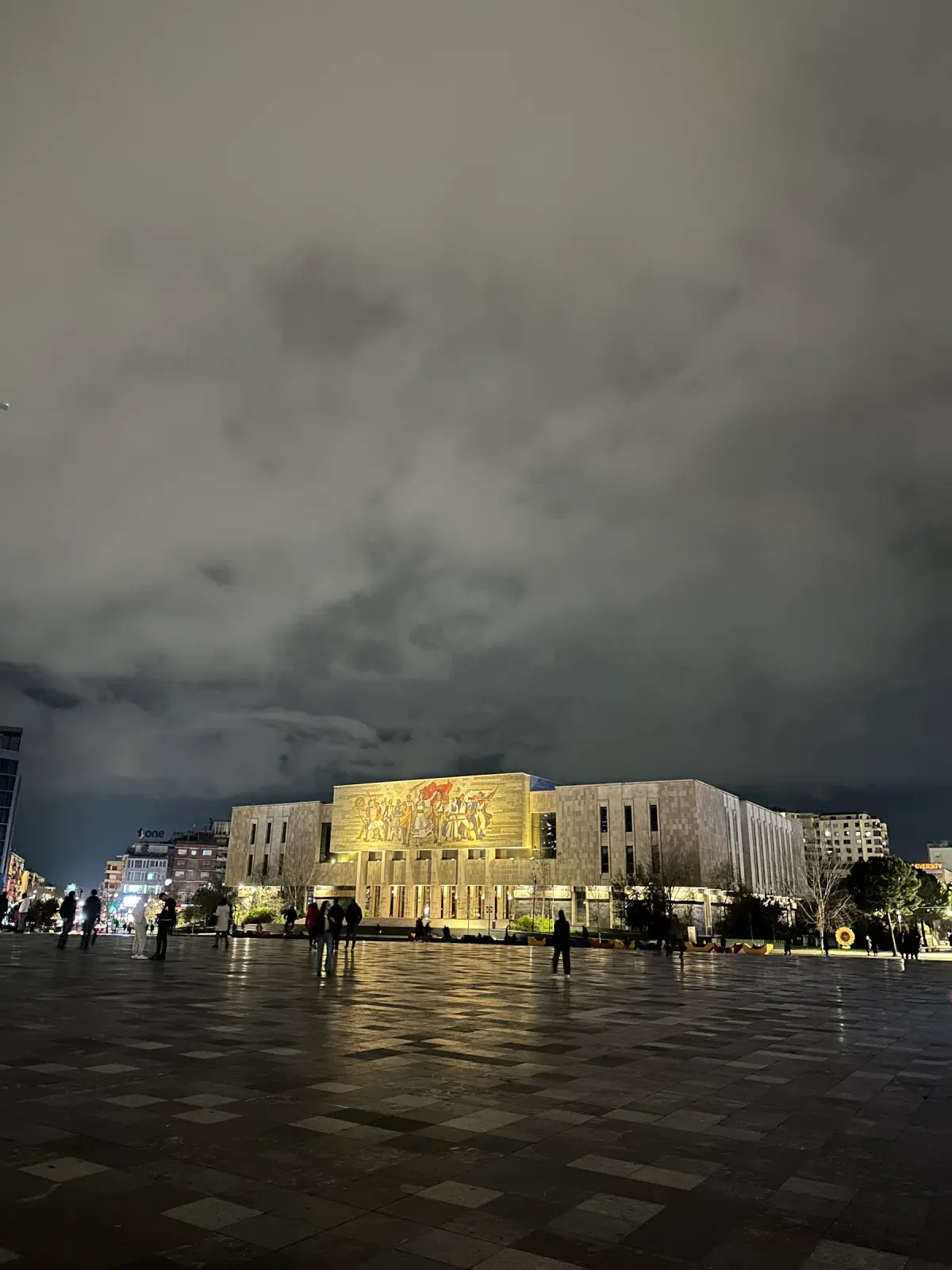
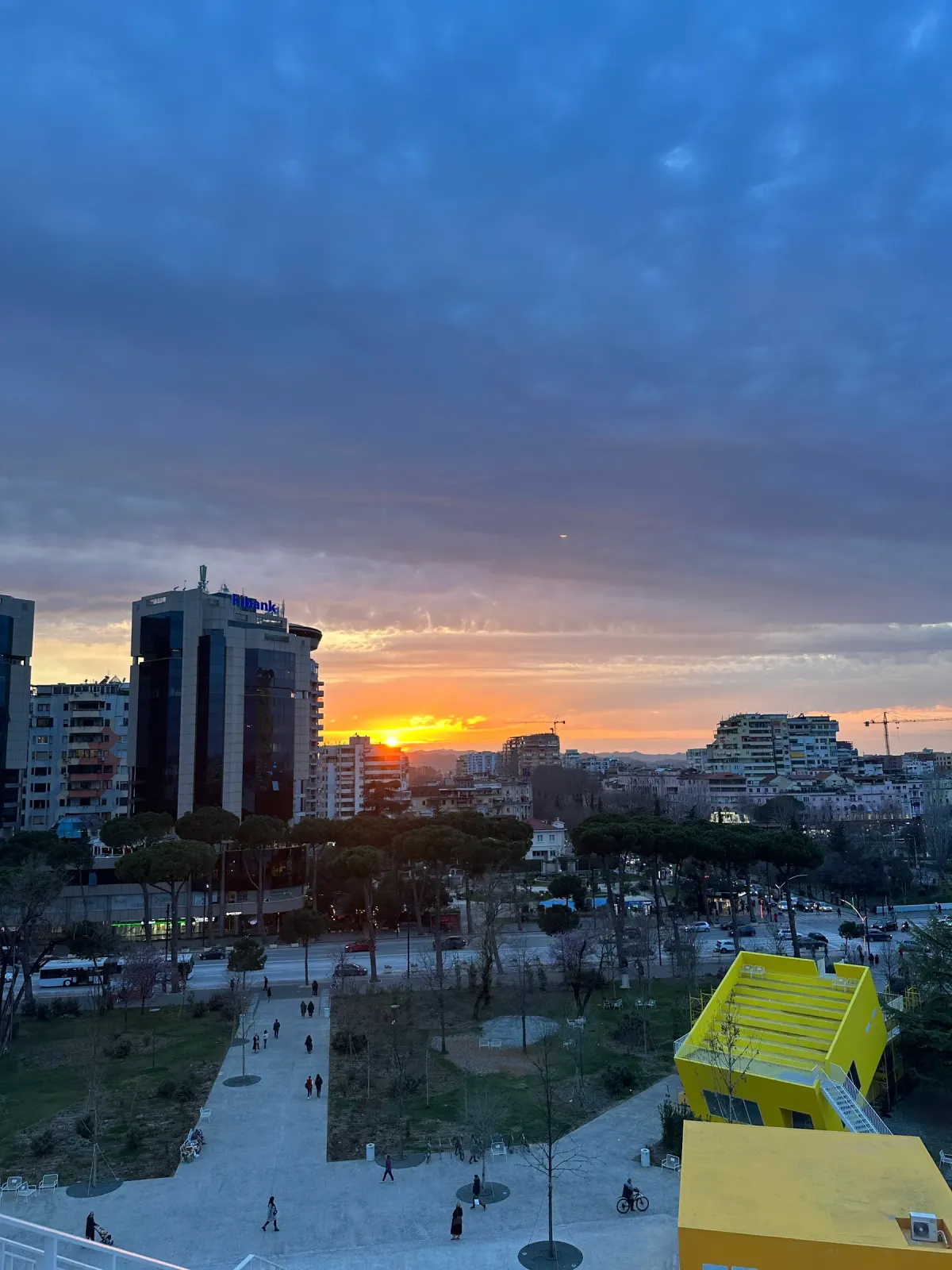
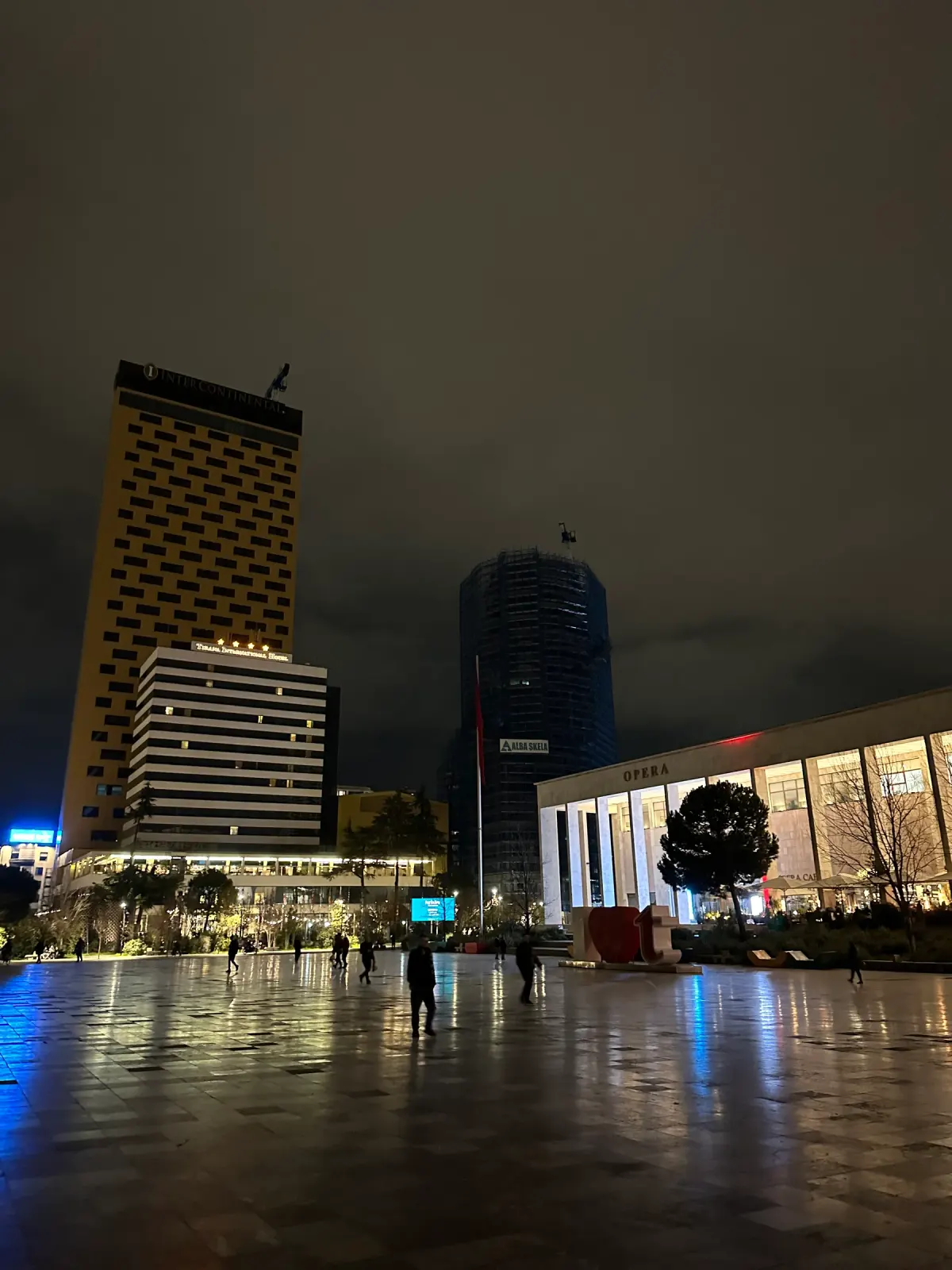
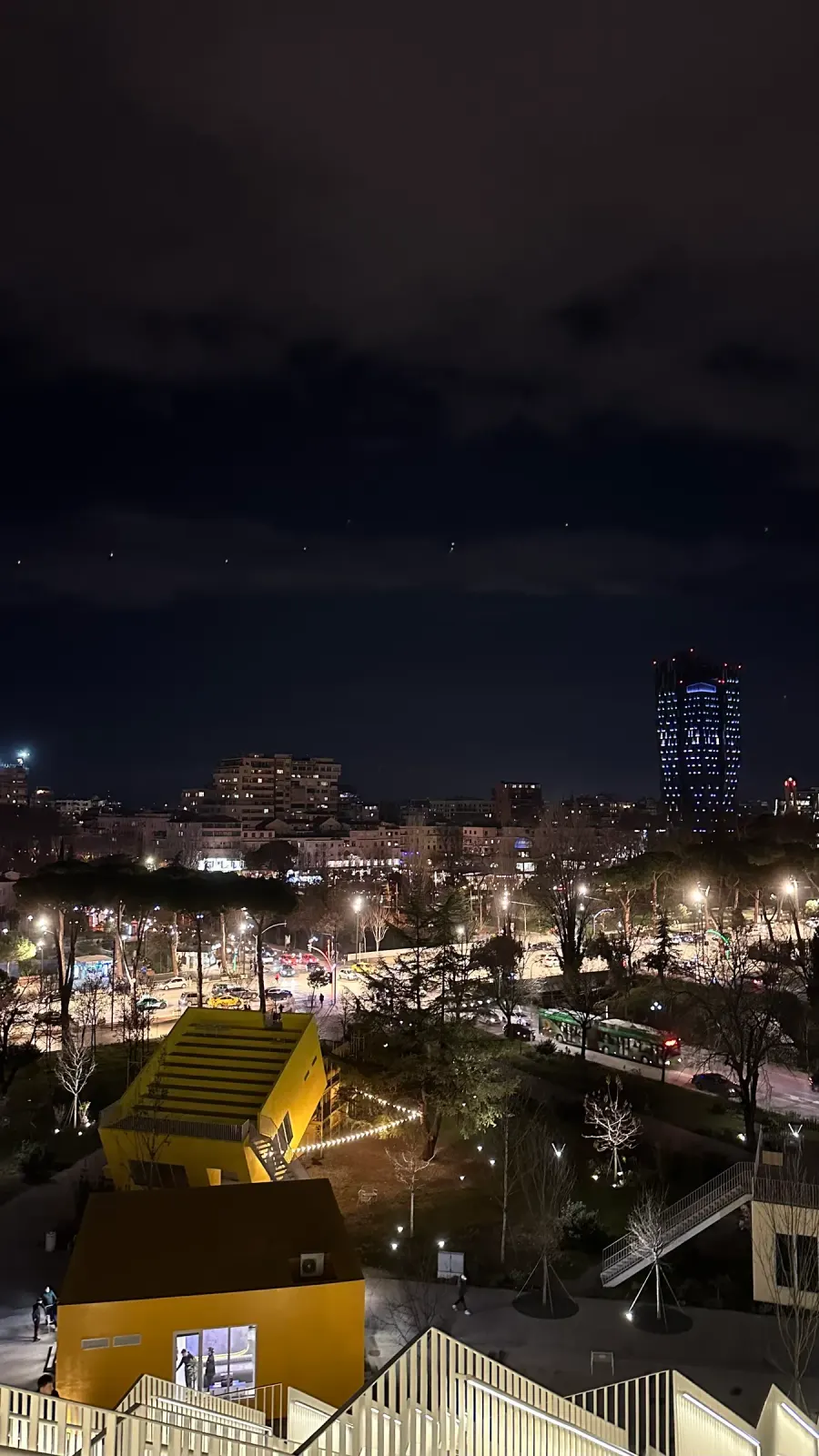
Tirana caught me off guard. It is not a pretty city, though the architecture and the mood pulled me in anyway. It reads like a kind of Vienna of the Balkans, with coffee places on nearly every corner. At night it lights up, and Skanderbeg Square is the spot for it. Skanderbeg is the national hero, and the square around his statue holds the National History Museum and the Palace of Culture. The mosaic on the front of the museum is the detail I kept staring at, best of all when it glows after dark. For a view over the whole city, climb the Pyramid of Tirana and time it for sunset.
The Bunk’art bunkers and why Albania is full of them
Two of the best things to do in Albania are the Bunk’art museums. Bunk’art 1 sits well outside the city, a giant Cold War bunker you can walk through. Bunk’art 2 is right in the centre, smaller, and crammed with information about the Cold War.
The backstory explains a lot about the country. Under Enver Hoxha, Albania shut itself off from most of the world and lived in fear of an invasion. That isolation and that fear turned into a building programme of concrete bunkers, hundreds of thousands of small domes spread across the whole country. You still see them in fields and on hillsides. Standing inside one of the big bunkers brought that history closer than any museum caption could.
Beaches and the Blue Eye
This is where the coast earns its name. Villages like Ksamil, Sarande, Himare and Dhermi are the beach spots I would point you to instead of Durres. The water is the clear kind you picture when someone says the Mediterranean.
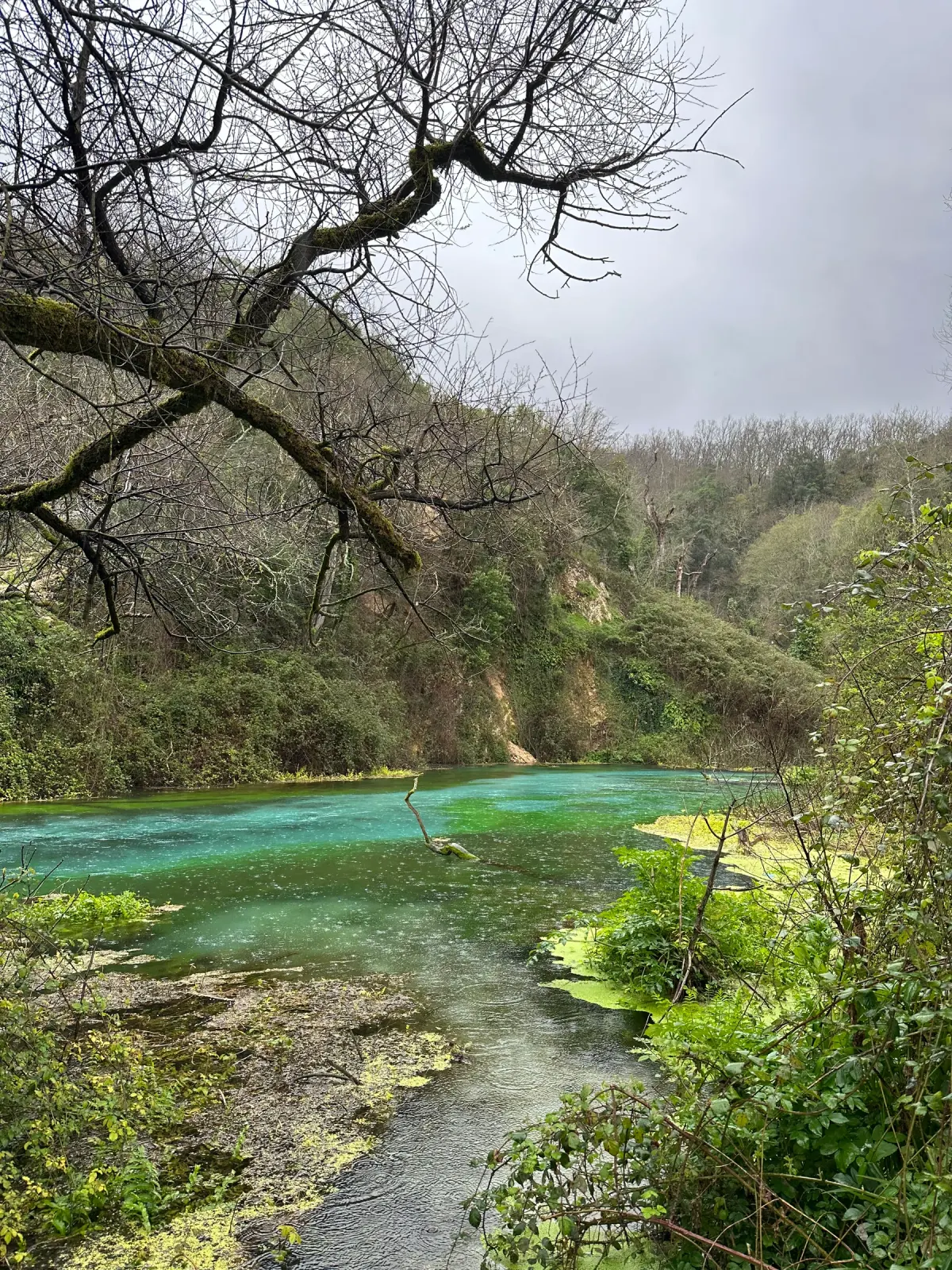
Near Sarande you will find the Blue Eye, a mountain spring that became famous for its deep azure colour. You can swim in it, with a warning: it is very deep and very cold. I would go for the photos more than the swim. The colour alone is worth the stop.
Gjirokaster, the city of stone
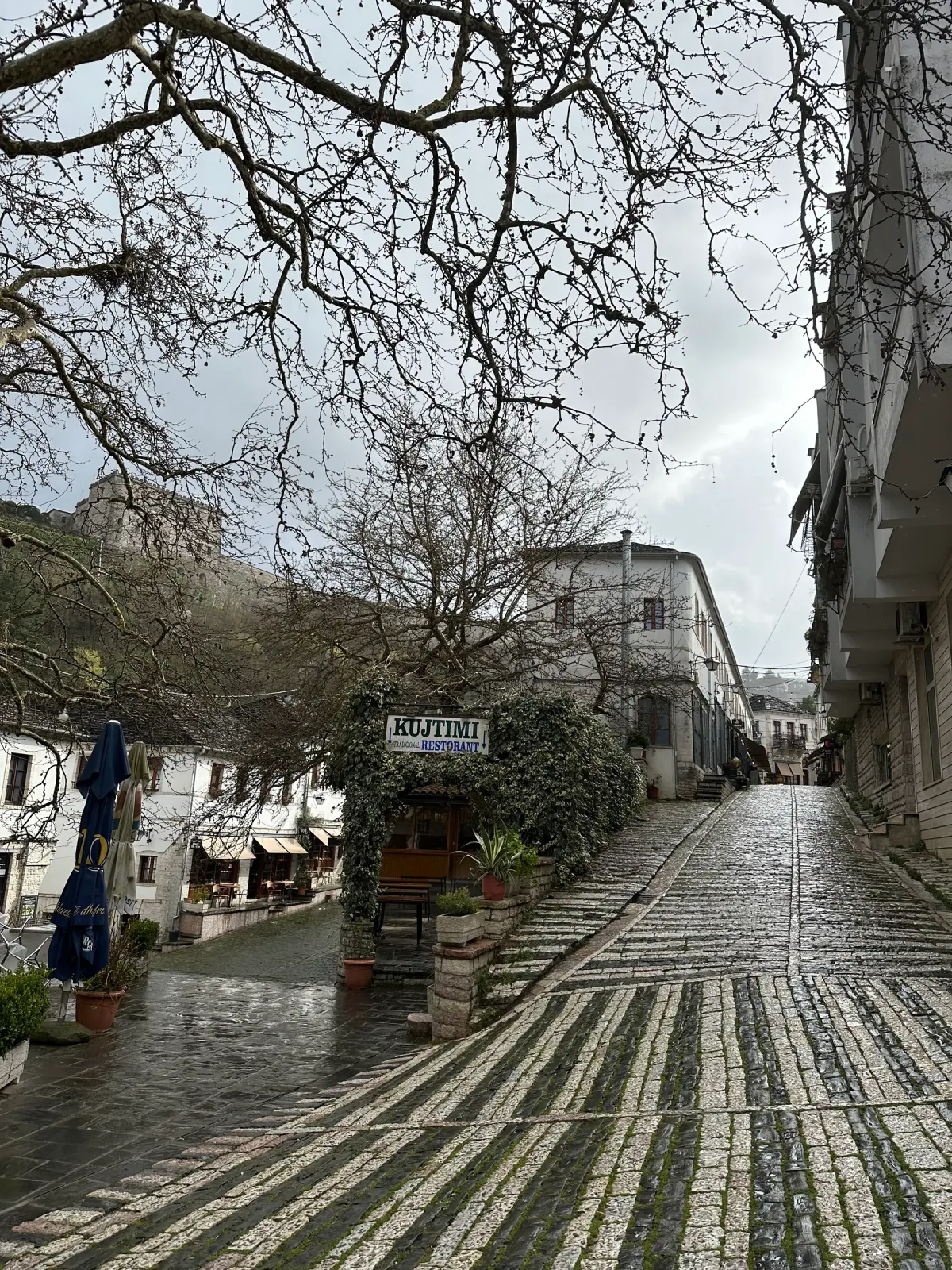
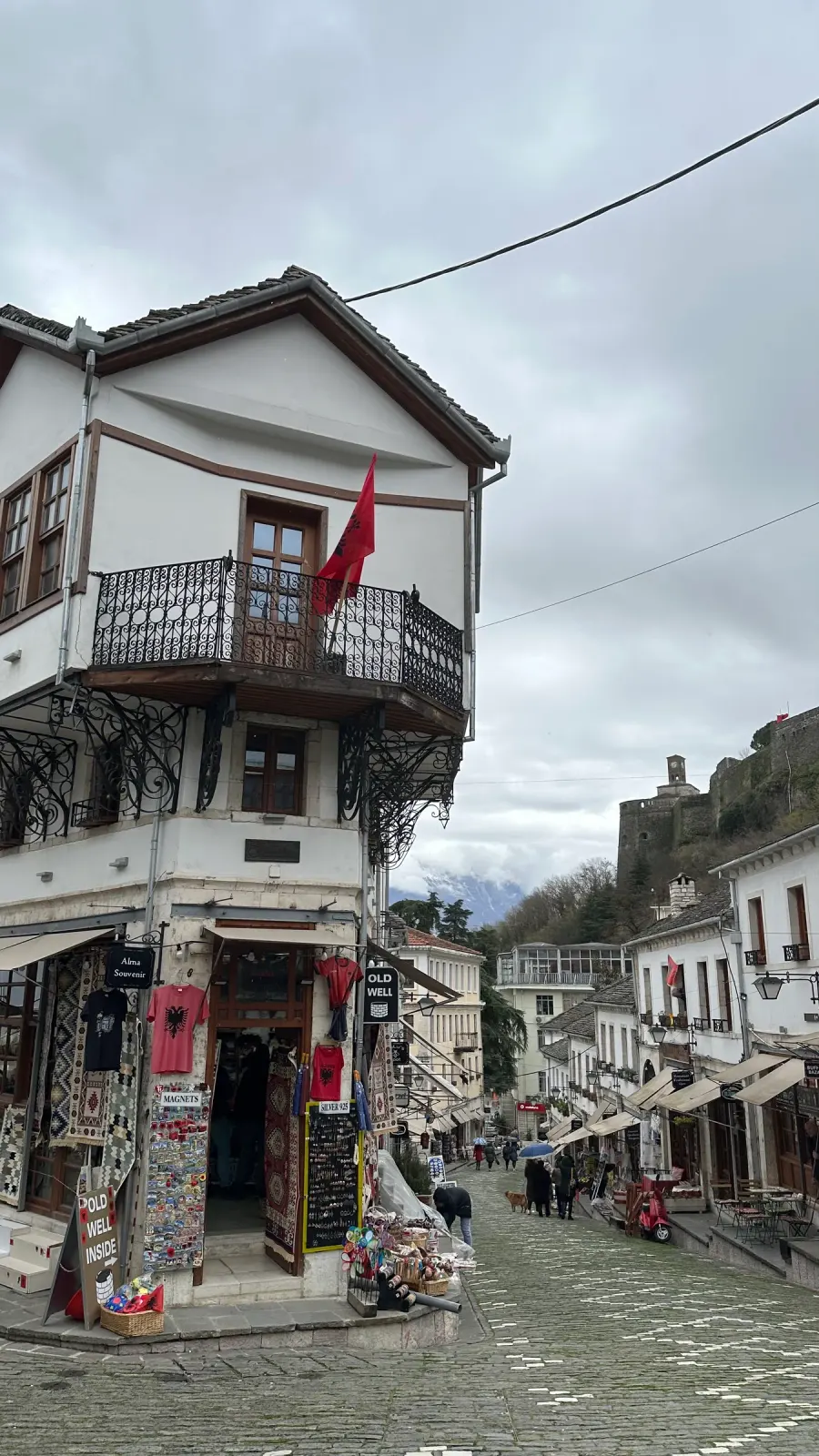
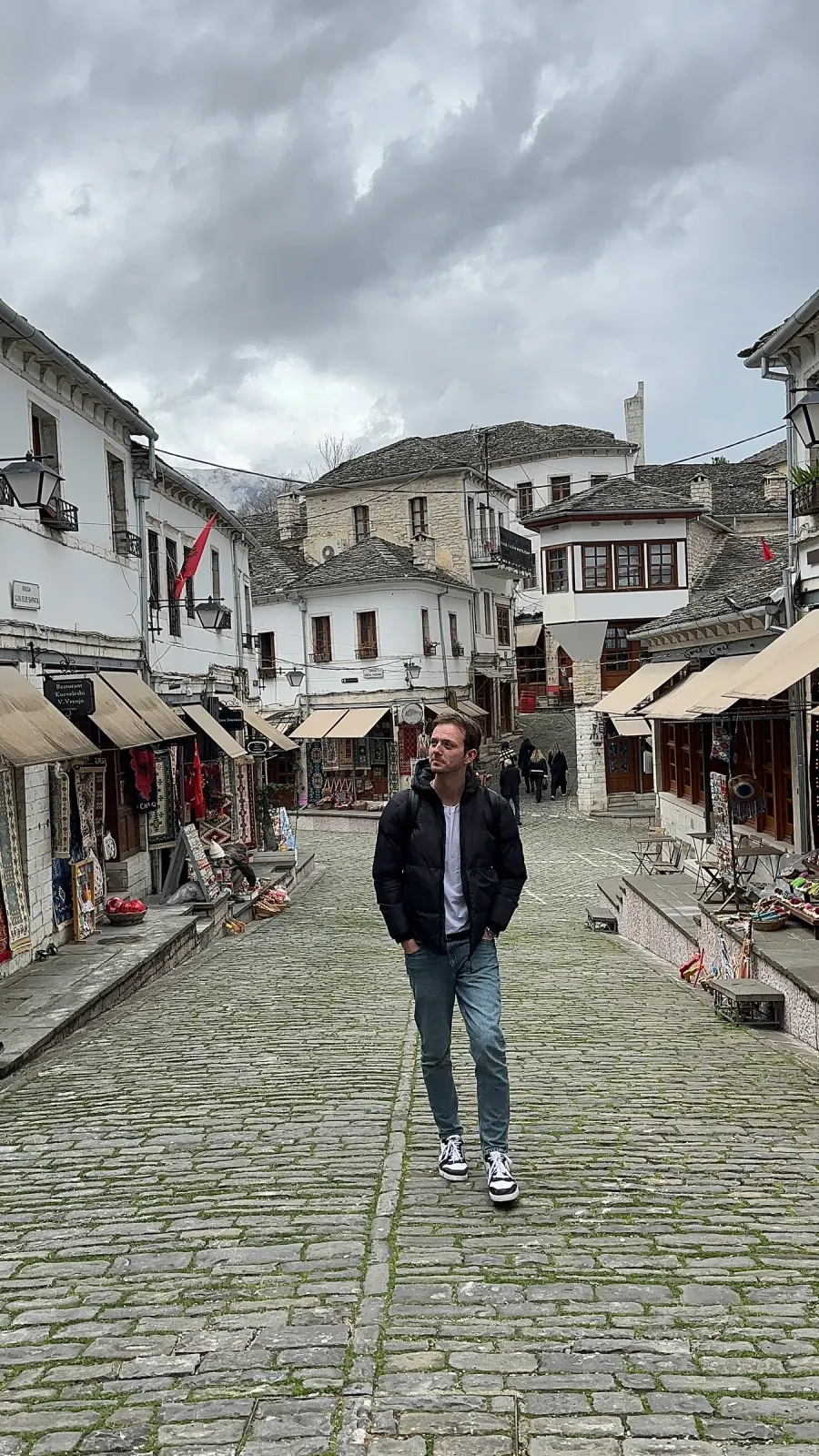
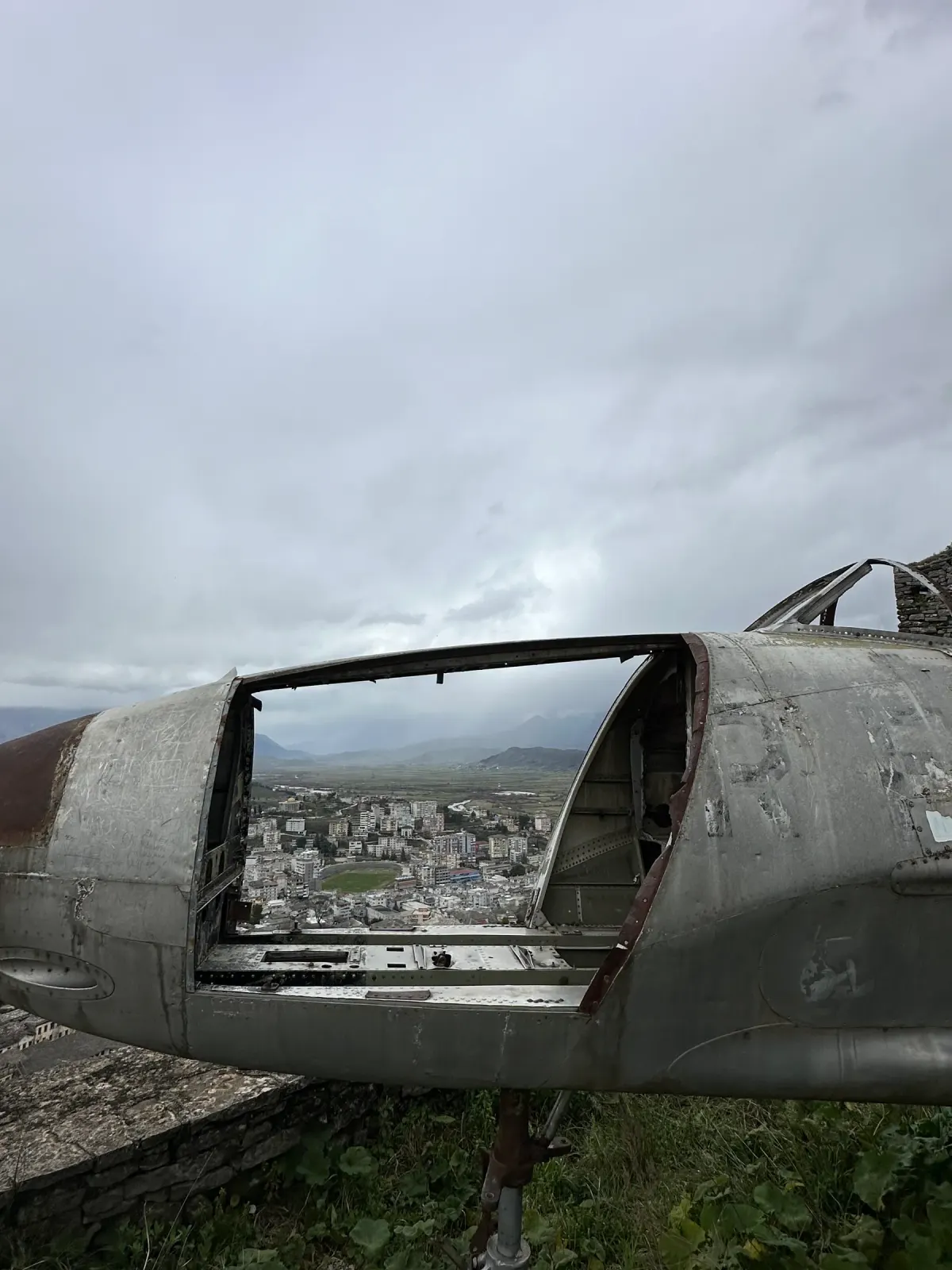
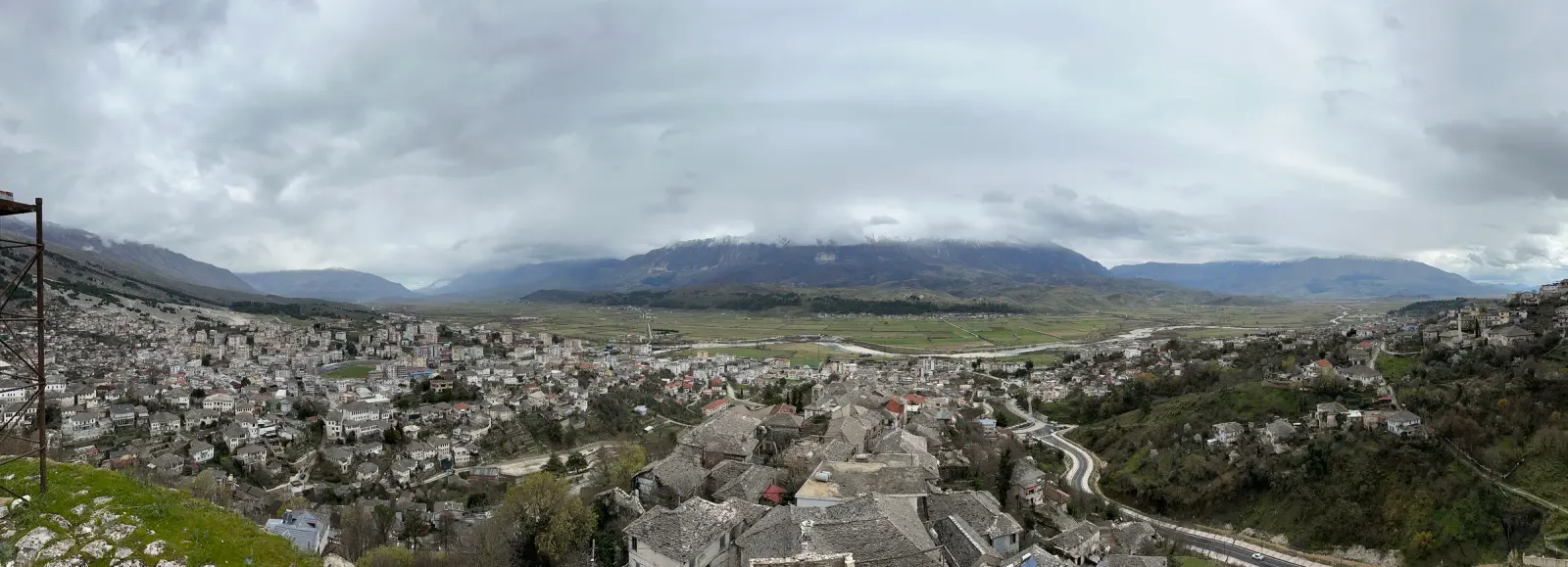
Gjirokaster is a small town in the south, known for its stone buildings, which is where the nickname city of stone comes from. I went in March and the weather was poor, but the quiet, almost deserted town left a mark on me. It felt like walking through a medieval film. The view from the castle floored me, with a mist hanging over the town so thick that I could not see the snow on the mountains behind it. Up there you will also find an old fighter jet you can look right through, which is stranger and cooler than it sounds.
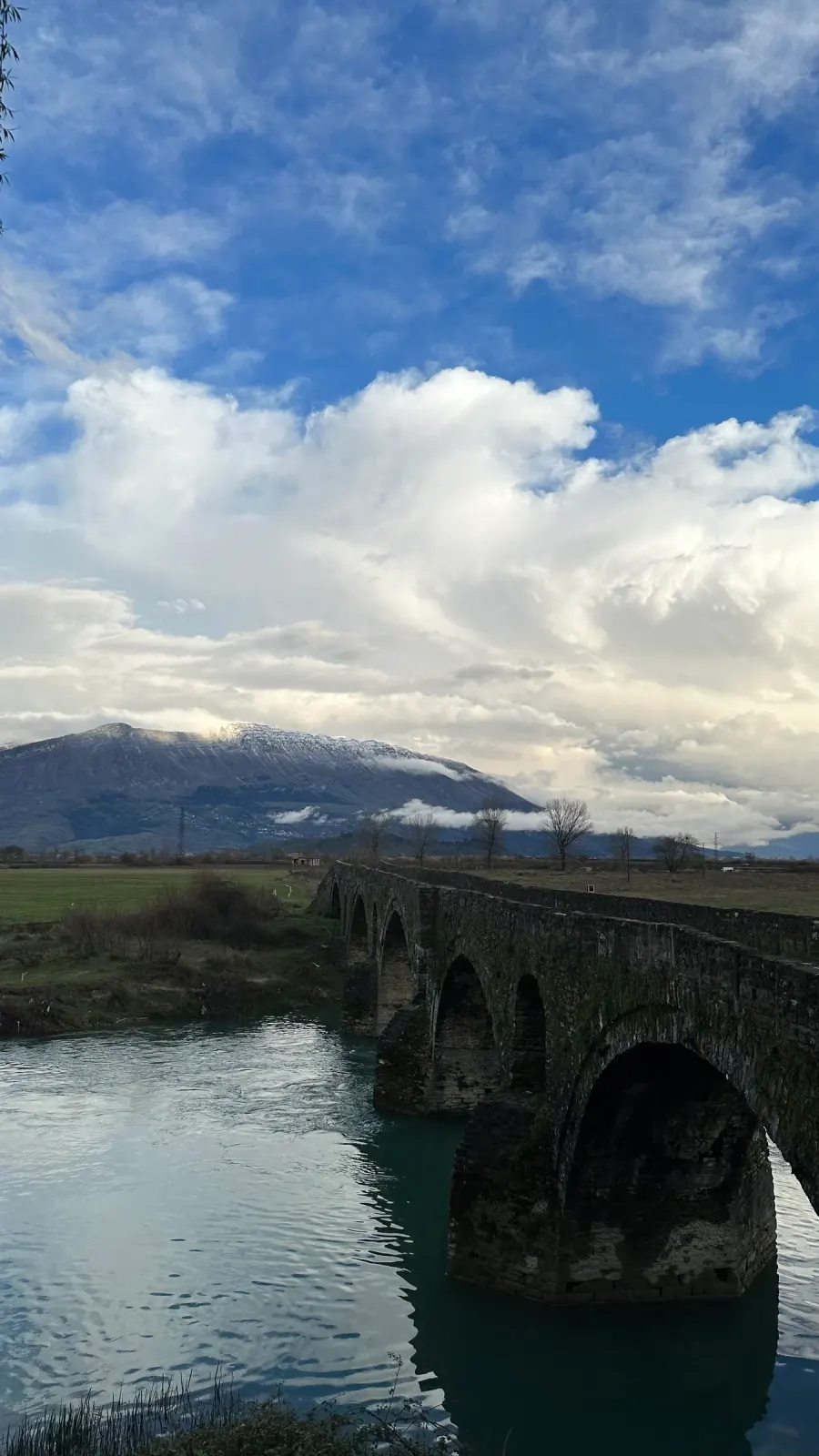
On the drive back towards Tirana I came across an old Ottoman bridge. The bridge with the sky and the nature around it gave me some of my favourite photos of the trip.
Berat
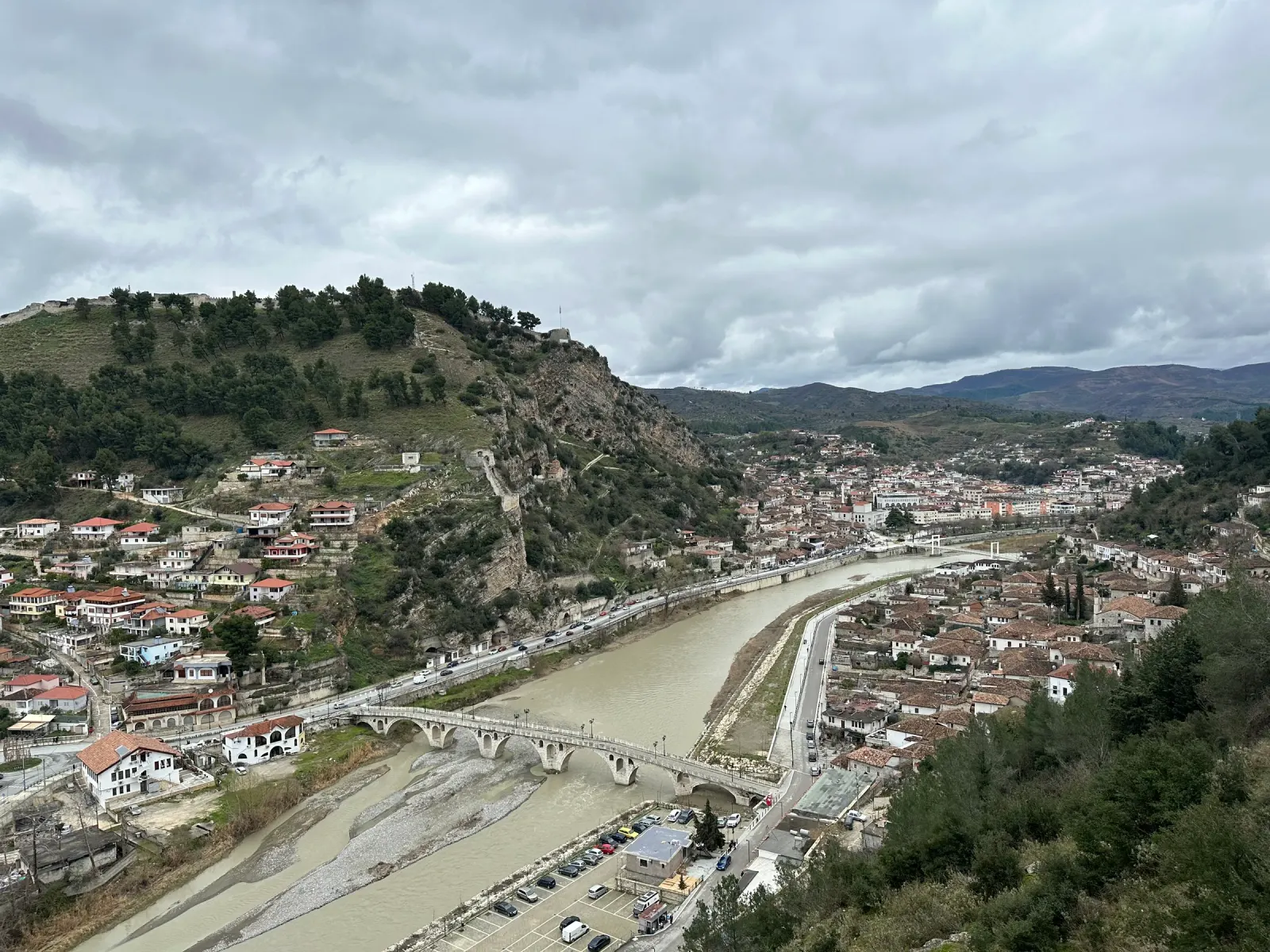
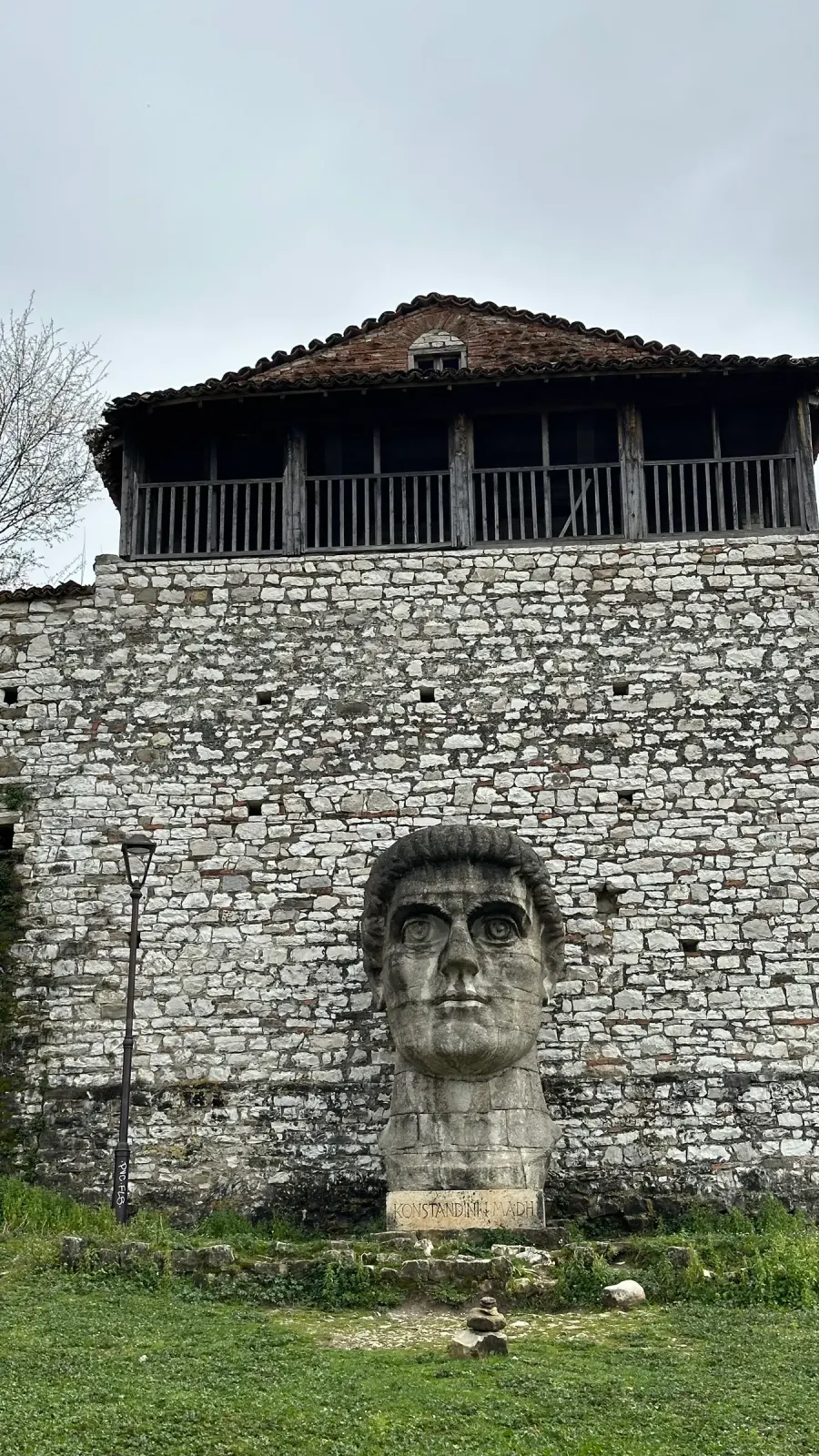
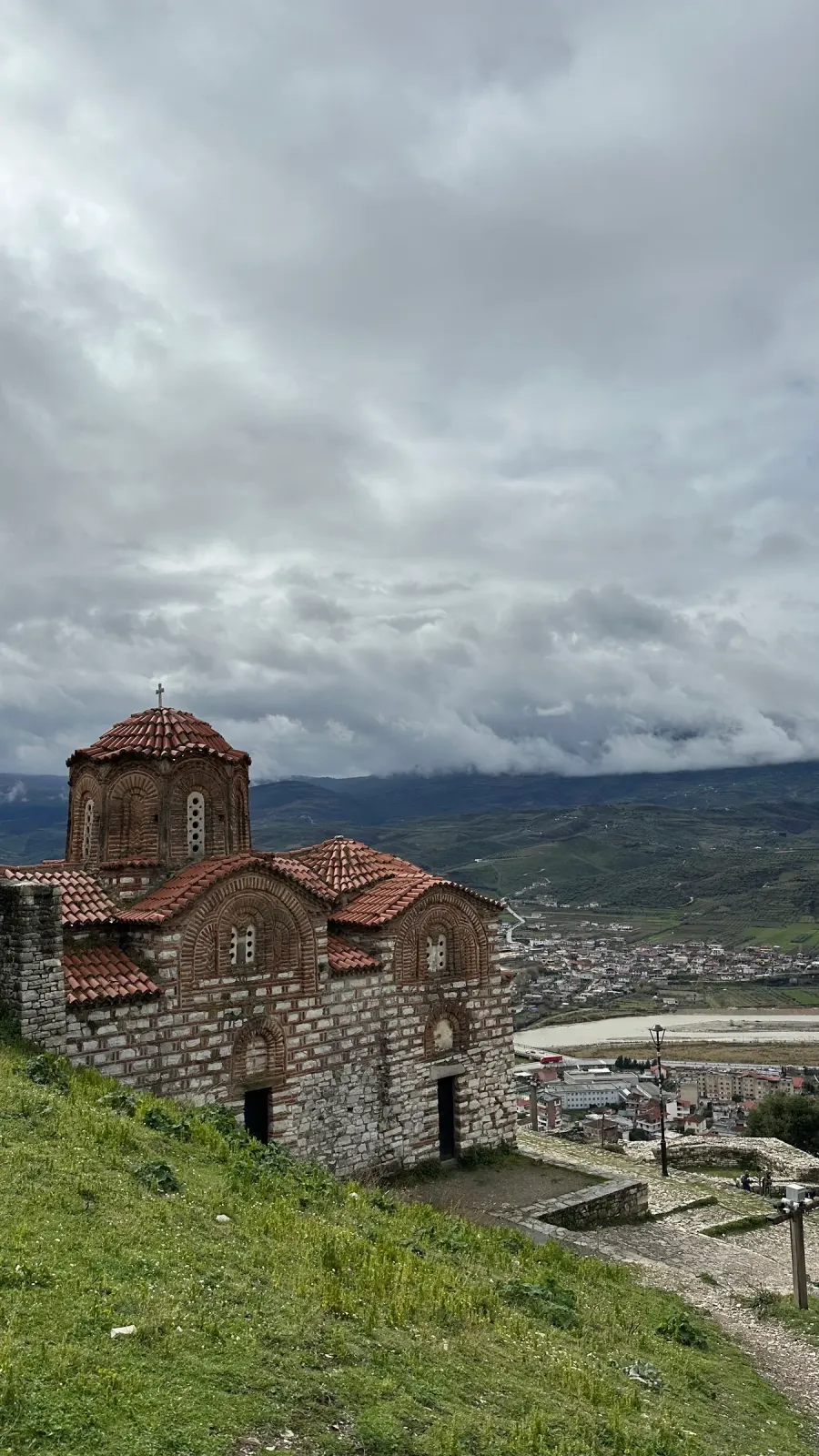
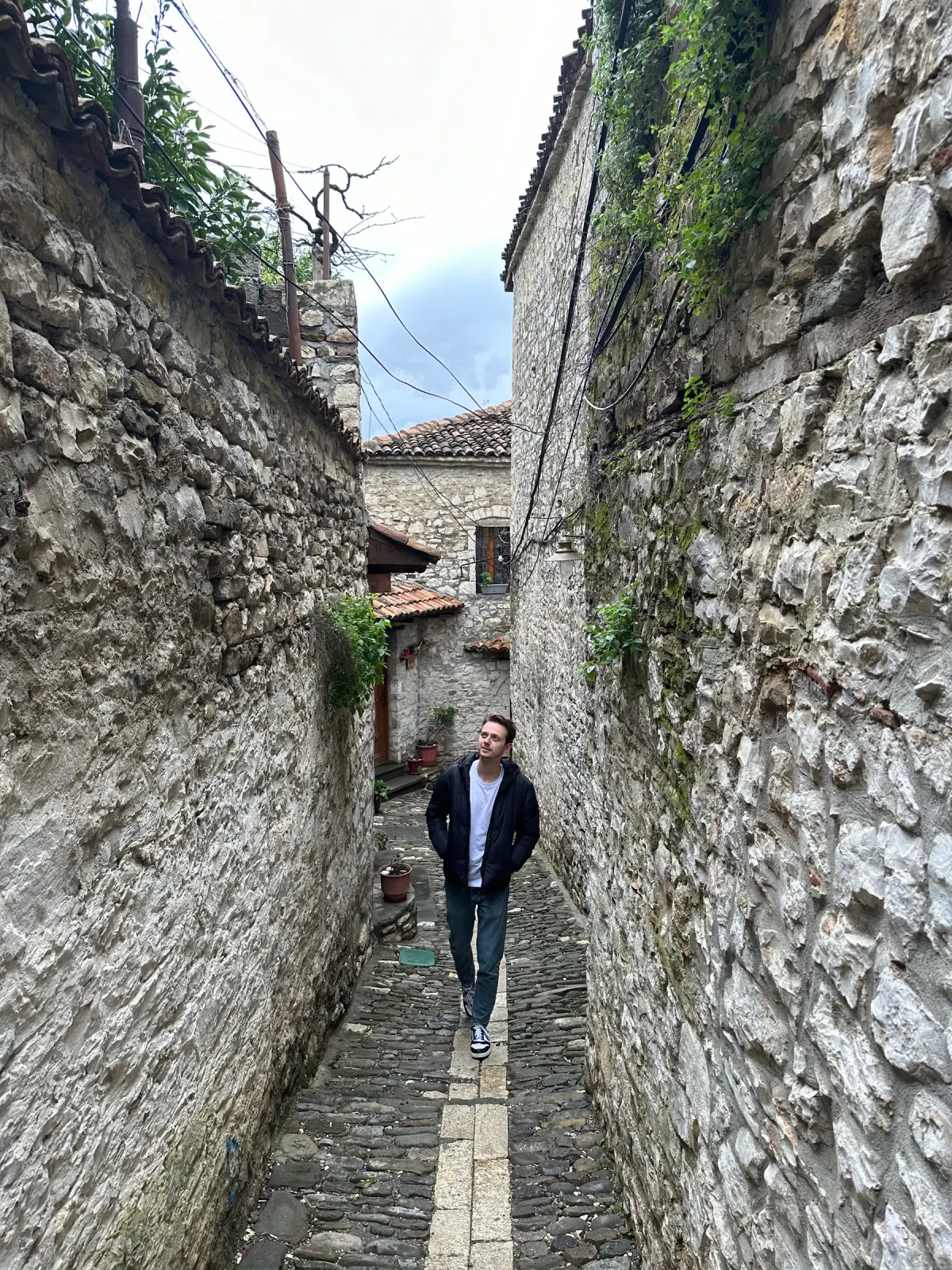
In Berat the castle holds the thing I liked most, a large stone head of Constantine the Great. A small orthodox church up there, the Holy Trinity Church, stayed with me too. I did a lot of hiking around the town. Climb up through the forests on the edge of Berat and you get a wide view over the rooftops and the river below. Down in the old town there are small, old streets that reward a slow wander. Berat is a stop I would keep on any route.
The best things to do in Albania, how I would plan it
If I were mapping a route, I would give Tirana a couple of days for the architecture and the Bunk’art bunkers, then head south to the stone towns of Gjirokaster and Berat, and save the coast around Ksamil, Sarande, Himare and Dhermi for the end. Durres you can skip unless you are passing through.
For more on where I went and the routes I took, start with my Albania guides.
Photos from this trip
Frequently asked questions
Is Albania worth visiting?
For me, yes. You get clear water on the coast around Ksamil, Sarande, Himare and Dhermi, two old stone towns in Gjirokaster and Berat, and a capital in Tirana that has more character than people expect. I keep going back.
What are the best beaches in Albania?
I would aim for the villages in the south: Ksamil, Sarande, Himare and Dhermi. The water there is the clear kind you picture when someone says the Mediterranean. Durres, the big resort near Tirana, I would skip for the beach.
Can you swim in the Blue Eye?
You can, but go in knowing it is very deep and very cold. Most people come for the colour more than the swim. The deep azure of the spring is worth the stop on its own, even if you only take photos.
Why does Albania have so many bunkers?
Under Enver Hoxha the country cut itself off and lived in fear of an invasion. That isolation turned into a building programme of hundreds of thousands of small concrete bunkers across the whole country. The Bunk'art museums in Tirana tell that story well.
How many days do you need in Albania?
I would give Tirana a couple of days, add a night or two each for Gjirokaster and Berat, and save the rest for the coast in the south. A week lets you see the cities and the beaches without rushing.
Is Gjirokaster worth it?
I think so. The stone town felt almost deserted when I went in March, like walking through a medieval film, and the view from the castle stayed with me. There is also an old fighter jet up there you can look right through.