Croatia's coast, islands and old towns
The best things to do in Croatia: Dubrovnik's walls, Split, the Dalmatian islands, Plitvice Lakes and Istria, plus practical tips on summer crowds and timing.
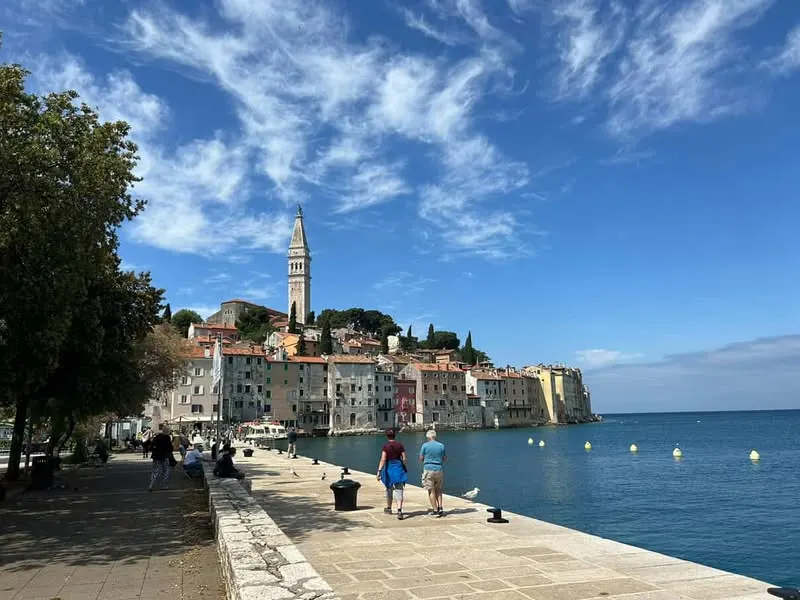
Croatia looks almost too good in photos: stone old towns, a coastline full of islands, waterfalls in the forest. I went in suspicious and came out with a long list of favourites, and a few complaints. This is my overview of the best things to do in Croatia: what is great, what is overrated in peak season, and how to plan around it.
Is Croatia worth visiting?
Yes, though not equally in every month. Croatia packs a lot into a small country. On my trips I could swim in the Adriatic, walk through a Roman palace and hike past waterfalls in the same week. The country has used the euro since 2023, which makes paying easy if you come from the eurozone.
The famous coastal spots get very crowded and expensive in July and August. Cruise ships, day trippers and package tours all land in the same few places at once. If summer is your only option, it is still doable, but you need a plan. If you can choose, read the last section of this guide first.
Dubrovnik: walls, crowds and how I handle them
Dubrovnik is beautiful, and everyone knows it. The old town is a maze of limestone streets inside massive city walls, and walking the top of those walls is the best thing to do here. The views over the terracotta roofs and the sea are worth the ticket.
It is also the most crowded place I visited in Croatia. Between mid morning and late afternoon the main street, the Stradun, can feel like a conveyor belt. So I walk the walls early, right when they open, before the heat and the groups arrive. I eat away from the main street and stay for the evening, when the day trippers leave and the stone turns golden. At lunch I skip the old town and go for a swim.
Split and Diocletian’s Palace
Split was the surprise for me. The old town is built inside the palace of the Roman emperor Diocletian, and people live, drink coffee and hang their washing in there. You walk through ancient halls and cellars, then step out onto a lively waterfront promenade.
Split is also the practical hub of Dalmatia. Ferries leave from the port to the islands, and buses run along the coast. I used it as a base for several days. It is busy in summer, but it has a real city feel outside the old walls, so it never felt like a theme park the way parts of Dubrovnik did.
The best Croatian islands
Which are the best Croatian islands? It depends on what you want.
Hvar is the famous one, with lavender, a beautiful harbour and a loud party scene in high season. It is lovely, and also the priciest and busiest of the lot.
Korcula is calmer. Its small walled town gets compared to a mini Dubrovnik, minus most of the crowds.
Brac is easy to reach from Split and known for its beaches.
Vis feels the most remote of these. It was closed to visitors for years and still has a slower, more local rhythm.
Island hopping works best with some flexibility. Ferries run more often in summer and less often in the off season, so check the timetable before you build your route around a specific day. In July and August I would book popular crossings ahead.
Plitvice Lakes and Zagreb
Inland, Plitvice Lakes National Park is a UNESCO World Heritage site, and it deserves the status. Sixteen terraced lakes are linked by waterfalls, with wooden boardwalks winding through the forest. The water really is that colour, a turquoise that changes with the light.
It is popular, so go early in the morning or later in the day, and avoid midday in summer when the boardwalks get tight. Wear shoes with grip, because the planks get wet.
Many travellers skip Zagreb, and I think that is a mistake. The Upper Town has cobbled streets and old gates, the Dolac market is a good place to graze, and the cafe culture is serious. It feels more Central European than Mediterranean, which is a nice change after days of sun and stone. It is also calmer and easier on your wallet than the coast.
Istria: the quiet green corner
Istria, in the north west, is where I would send people who dislike crowds. The landscape is rolling hills, vineyards and hilltop villages, and the food is a big reason to come: truffles, olive oil and wine are all local specialities. Rovinj is the star on the coast, with a colourful old town on a small peninsula and a pretty harbour. It gets busy in summer too, but the inland villages stay peaceful.
Istria is also easier to reach by road from Slovenia and Italy, which is handy if you are building a longer route. If you are heading that way, my Slovenia guides pair well with it.
When to visit Croatia and how long to stay
People ask me most often when to visit Croatia. My answer is May, June, September and early October. The sea is warm enough for swimming from late spring into early autumn, the ferries are running, and the crowds are far thinner than in July and August. Room prices also tend to be lower outside the peak weeks.
If you can only go in high summer, book accommodation well ahead, do the big sights early or late, and consider the quieter islands and Istria. Winter is cold and many coastal places close, but Zagreb and the inland areas stay open and lively.
For a first trip I would plan about ten days: three or four around Dubrovnik and Split, a few on one or two islands, and a night or two near Plitvice. With less time, choose one region and do it properly.
Croatia is easy to combine with its neighbours too. If you want to keep going down the coast, have a look at my Montenegro guides. I keep adding tips, routes and notes to my Croatia guides, so check them before you book.
Video from this trip
Frequently asked questions
Is Croatia worth visiting?
Yes, I would go back tomorrow. One small country has Roman ruins, walled old towns, island beaches, waterfalls and green hills. The catch is July and August, when the famous spots get crowded and pricey, so I would aim for the shoulder months if you can.
How many days do you need in Croatia?
For a first trip I would plan around ten days. That gives you Dubrovnik, Split, an island or two and Plitvice without rushing between them. With a week, pick one stretch of the coast and add Plitvice or Istria, not all of it.
What are the best things to do in Croatia?
Walk the city walls of Dubrovnik early in the morning, explore Diocletian's Palace in Split and take a ferry to an island like Korcula or Vis. Add Plitvice Lakes National Park for the waterfalls and Istria for hilltop villages and food. Zagreb is a good, calmer extra.
When is the best time to visit Croatia?
May, June, September and early October are my favourites. The sea is warm enough for swimming, the ferries run and the crowds are much thinner than in peak summer. In winter many coastal places close, while Zagreb stays open.
Is Croatia expensive?
It depends on where and when you go. Dubrovnik and Hvar are noticeably pricier in high summer, while inland areas, Zagreb and the shoulder months are easier on your wallet. Booking rooms early and eating away from the main tourist streets helps a lot.
Do you need a car in Croatia?
Not for the coast. Buses and ferries link the main towns and islands, and you can base yourself in Split. A car helps for Istria and for reaching smaller villages on your own schedule, but expect busy roads and tight parking in summer.