Castles, mountains and real value: that is Romania
The best things to do in Romania: Bucharest, Transylvania's walled towns, the Carpathians and painted monasteries, plus when to go and how long to stay.
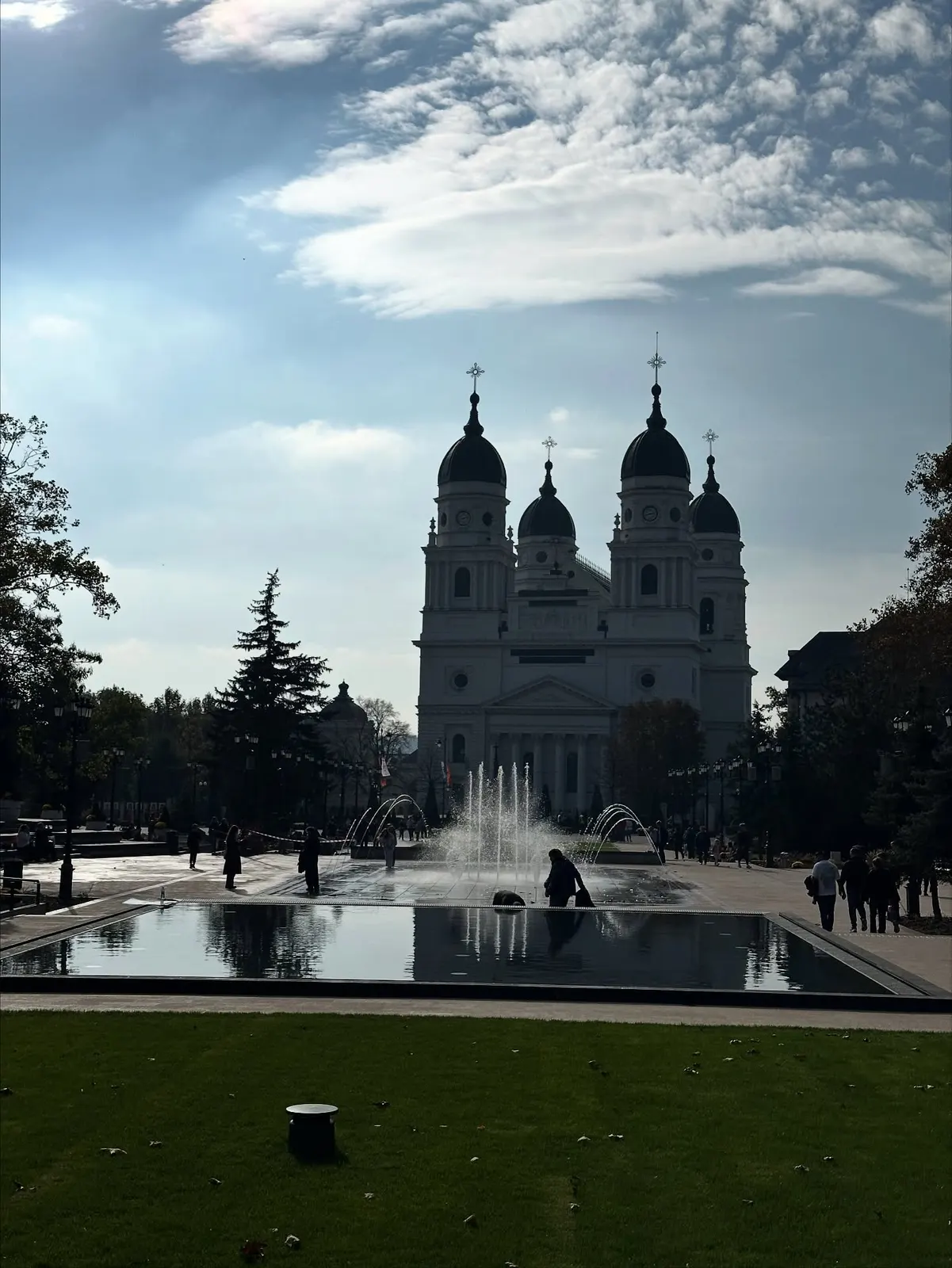
Whenever I talk about the best things to do in Romania, I first have to undo the same image: Dracula, grey blocks of flats, maybe a stray dog. Then people arrive and find medieval towns, forested mountains and monasteries covered in paintings. This is the overview I wish someone had handed me before my trips there. For city and region details, my Romania guides go deeper.
Is Romania worth visiting?
Yes, easily. It has the castles and old streets of Central Europe, the mountains of the Alps and the rough edges of the Balkans, all in one country, and it still feels far less crowded than the places everyone already knows.
It is also easy on the wallet compared with Western Europe. I will not quote prices, because they move, but eating out, getting around and sleeping well all felt good value on my trips. The currency is the leu (RON), and cards work in most places. I like having a little cash for small villages and market stalls.
Bucharest: start here and give it a fair chance
Most people fly into Bucharest and want to leave by lunchtime. I get it, the city is chaotic. But give it a day or two. The Palace of Parliament is one of the largest administrative buildings in the world, and the scale of it is almost absurd. The Old Town, around Lipscani, is packed with cafes, bars and little courtyards that come alive in the evening.
Do the palace tour, wander the Old Town, then eat something properly Romanian. Sarmale (cabbage rolls) and mici (grilled minced meat rolls) are the ones I kept going back to. After that, get on a train and head north.
Transylvania, the fairytale part
When people think about Transylvania, they want a fairytale, and it delivers. The towns sit close enough to link up easily.
Brasov is the easiest base. It has a big main square, the Black Church and a cable car up Mount Tampa for a view over the red roofs. From here you can reach Bran Castle, the one sold as Dracula’s castle. The link to the legend is thin, but the castle looks great on its hill, so go early before the tour buses arrive.
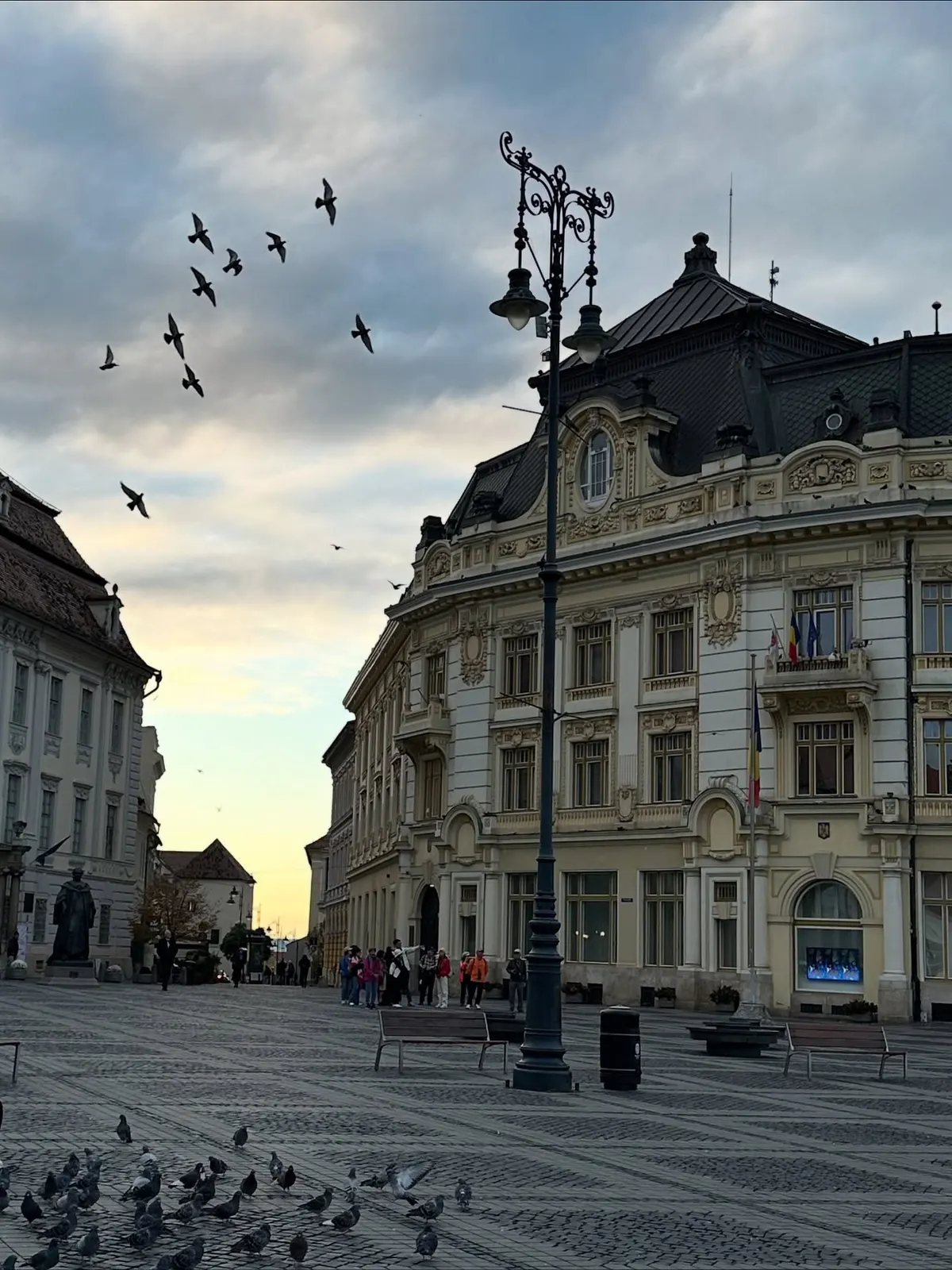
Sibiu is my favourite of the lot. The Large Square is lovely, the houses have those little eyelid windows in their roofs, and the whole place feels relaxed and lived in rather than staged.
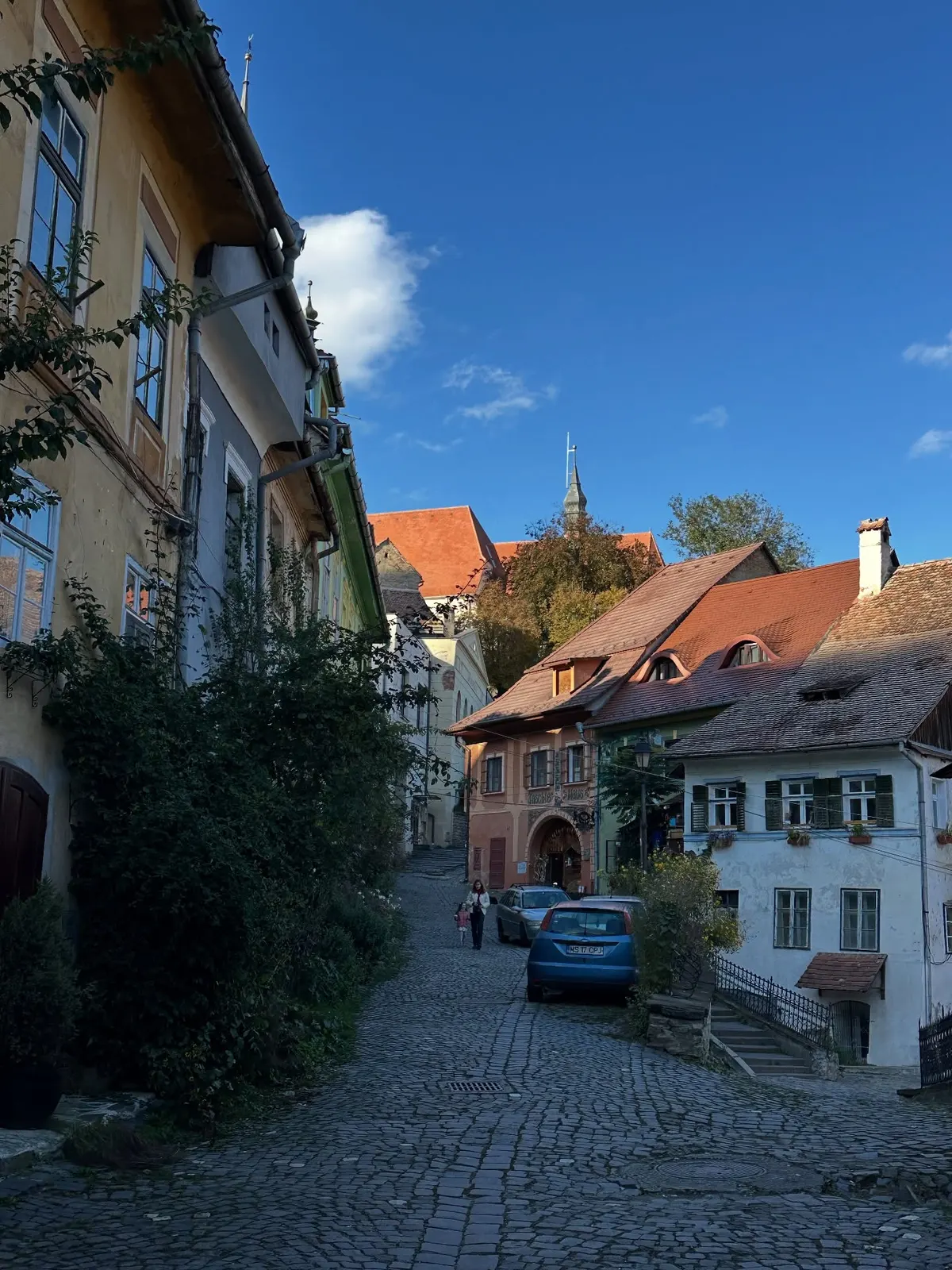
Sighisoara is a small walled citadel on a hill, with pastel houses, a clock tower and cobbled lanes that make you slow down. You can see it in an afternoon, but I would stay a night. Once the day trippers leave, it is wonderfully quiet.
The Carpathians and the Transfagarasan
The Carpathian mountains curve right through the middle of the country, and this is where Romania gets properly wild. Expect hiking, deep forests and a good chance of understanding why people talk about bears here. Read the local advice before any hike, keep your food sealed and do not go looking for wildlife.
The Transfagarasan is the famous road: a high mountain route with hairpin bends that climbs through the Fagaras range. It is closed in winter because of snow, so it only opens for part of the year. Check the current status before you plan around it. With a car, it is one of the best drives I have done. Without one, you can still reach the mountains from Brasov on day tours.
The painted monasteries of Bucovina
This part of Romania surprised me most. Up in the north-east, in the region of Bucovina, there are monasteries whose outer walls are covered in colourful frescoes, painted centuries ago with scenes from the Bible. Voronet, Sucevita, Moldovita and Humor are the names to look for, and several of them are on the UNESCO World Heritage list.
Voronet is often called the Sistine Chapel of the East, and you have to see the deep blue on its walls in person. It is a long way from Brasov, so plan an overnight stop in the area rather than rushing it. The villages around are some of the most peaceful places I have ever slept in.
When to go and a simple Romania itinerary
For the best time to visit Romania, I would pick autumn or spring. In autumn, the forests across Transylvania and the Carpathians turn gold and red, the air is clear and the crowds are thin. Spring is green and fresh. Summer is fine but busier, and winter suits you only if you want snow and cosy cabins. Mountain roads have their own seasons, so match your dates to what you want to do.
For a loose Romania itinerary, this is the shape I would follow:
- Two days in Bucharest for the palace, the Old Town and food.
- Three to four days in Transylvania, linking Brasov, Sighisoara and Sibiu, with Bran Castle as a day trip.
- Two days in the Carpathians, hiking or on the Transfagarasan if it is open.
- Two days in Bucovina for the painted monasteries.
That is roughly ten days, at a pace you can actually enjoy. If you are building a bigger trip, Romania pairs well with Bulgaria or Moldova, both of which I cover on the site.
Before you go
Go with an open mind, pick autumn or spring, bring good shoes and leave a few days of slack in your plan. You will probably want to stay longer. Start with my Romania guides and tell me where you plan to go first.
Photos from this trip
Video from this trip
Frequently asked questions
Is Romania worth visiting?
Yes, easily. You get medieval towns, forested mountains and painted monasteries in one country, and it still feels much quieter than the famous names in Western Europe. I keep going back and always find something new.
How many days do you need in Romania?
Ten days is a comfortable first trip: two in Bucharest, three or four in Transylvania, two in the Carpathians and two in Bucovina. With a week you can trim the monasteries or the mountains. With more time, slow down rather than adding stops.
What are the best things to do in Romania?
My top picks are the Palace of Parliament and Old Town in Bucharest, the old towns of Brasov, Sibiu and Sighisoara, a drive or hike in the Carpathians and the painted monasteries of Bucovina. Bran Castle is an easy day trip from Brasov.
Is Romania cheap?
Compared with Western Europe, I found eating out, getting around and sleeping well good value. Prices change, so check current costs before you book. The currency is the leu (RON), and I keep some cash for villages and markets.
Is Romania safe for tourists?
In my experience, yes. I felt comfortable in cities and villages alike, and I used the usual common sense with pickpockets in busy areas. In the mountains, follow local advice about bears and keep your food sealed.
What is the best time to visit Romania?
I would pick autumn or spring. In autumn the forests turn gold and red and the crowds thin out, while spring is green and mild for walking old towns. Summer is busier, and mountain roads like the Transfagarasan only open for part of the year.