Is Rome Overrated? Overtourism and How I'd Do It Right
Is Rome overrated? My take on the crowds, the new Trevi Fountain fee, the best time to go, how to dodge the worst of it and the day trips worth taking.
Is Rome overrated? I get this question more than almost any other, and I understand why. You see the photos of shoulder to shoulder crowds at the Trevi Fountain, you hear about queues, heat and prices, and you start wondering if the city can still deliver. My answer: Rome holds up, but the way most people do it does not. Here is what is going on and how I would plan it.
The crowds are real
I am not going to tell you it is fine. Officials say more than 10 million people visited the Trevi Fountain in 2025, with daily peaks of around 70,000. Part of that surge came with the Catholic Jubilee year, which pulled in tens of millions of pilgrims on top of the usual visitors. When that many people aim at the same handful of spots, you get what you see online: phones in the air, no room to stand, and a moment that feels more like a queue than a city.
The city is reacting. Since early February 2026, getting close to the Trevi basin costs 2 euros (Romans are exempt, and the square itself stays free). Reuters reported that almost everyone entering the zone in the first month paid, so the fee is not stopping people. It mostly manages the flow and pays for upkeep. I think that is fair, and it makes the spot a bit calmer than it was.
So is Rome overrated?
The famous list is. If your plan is Trevi, Spanish Steps, Colosseum and Pantheon in one day at noon in July, you will see a lot of backs of heads and spend most of the day sweating in line. That is overtourism doing its thing, and it can ruin a trip.
Everything around that list holds up: the age of the place, the way a random side street can open onto a 2,000 year old ruin, the food, and the fact that you can walk from one era to the next in ten minutes. The city itself still delivers. The checklist version of it often does not.
When I would go
Timing does more for you than any trick. Most guides agree on the same windows.
- Spring and autumn: April to June and September to October give you mild weather and fewer people than peak summer. Late October is a good pick right now.
- Winter: January, February and November are usually the quietest. It is cooler and wetter, but museums and queues are far more relaxed.
- Event dates: the Rome Marathon weekend in April and the Natale di Roma celebrations on 21 April bring extra people, so check the calendar before you lock in flights.
Shoulder seasons are getting busier as more people figure this out, so book accommodation early. And whenever you go, avoid midday at the big names.
How I would avoid the worst of it
- Go early or late. Be at the headline sights at opening time, or visit them in the evening when the tour groups are gone. Rome after dark is a different city.
- Book timed tickets ahead. For the big monuments and museums, a pre-booked slot beats standing in line, especially in high season. Check the official sites first so you do not overpay a reseller.
- Stay in a real neighbourhood. Sleeping outside the tourist core, in an area like Trastevere or Testaccio, makes your mornings and evenings much nicer.
- Walk the in-between streets. Most crowds stick to a tight route between the famous squares. Ten minutes in any other direction and the city exhales.
- Eat away from the landmarks. Restaurants right next to the sights are built for one-time customers. Go a few streets back.
- Do fewer things. Two or three things per day, done slowly, beat seven done in a daze.
Still worth it, even with the crowds
If I had to pick, these are the ones I would still not skip:
- The Colosseum and the Forum, with a timed ticket and an early slot.
- The Pantheon, which now charges an entry fee and is still one of the most impressive interiors I know.
- The Trevi Fountain, but early in the morning or late at night, and just for a few minutes.
- A slow evening walk through the centre, with nowhere to be.
Each of these works best as one part of a trip.
Day trips that save the trip
When the centre gets too much, I leave it for a day. All of these work by public transport, so you do not need a car, but check current timetables before you go.
- Ostia Antica: a large excavated Roman city, roughly 25 to 30 minutes from the centre by train. It gives you ancient Rome with far more space.
- Tivoli: about an hour from Rome, with two UNESCO sites, the Villa d’Este with its fountains and terraced gardens, and Hadrian’s Villa.
- Orvieto: a hilltop town in Umbria, around an hour and a quarter by train from Termini, with an impressive cathedral. A few hours covers the highlights, but a full day is better.
Any one of these could be the best day of your stay.
My verdict
Rome rewards a bit of planning and punishes laziness. Go in the shoulder season, book your tickets, get up early, and leave the centre once. Do that and the city is still as good as people say. For more ideas around the country, have a look at my guide to Italy.
Headed to Rome soon? Tell me what you are planning on Instagram and I will happily point you in the right direction.
Photos from this trip
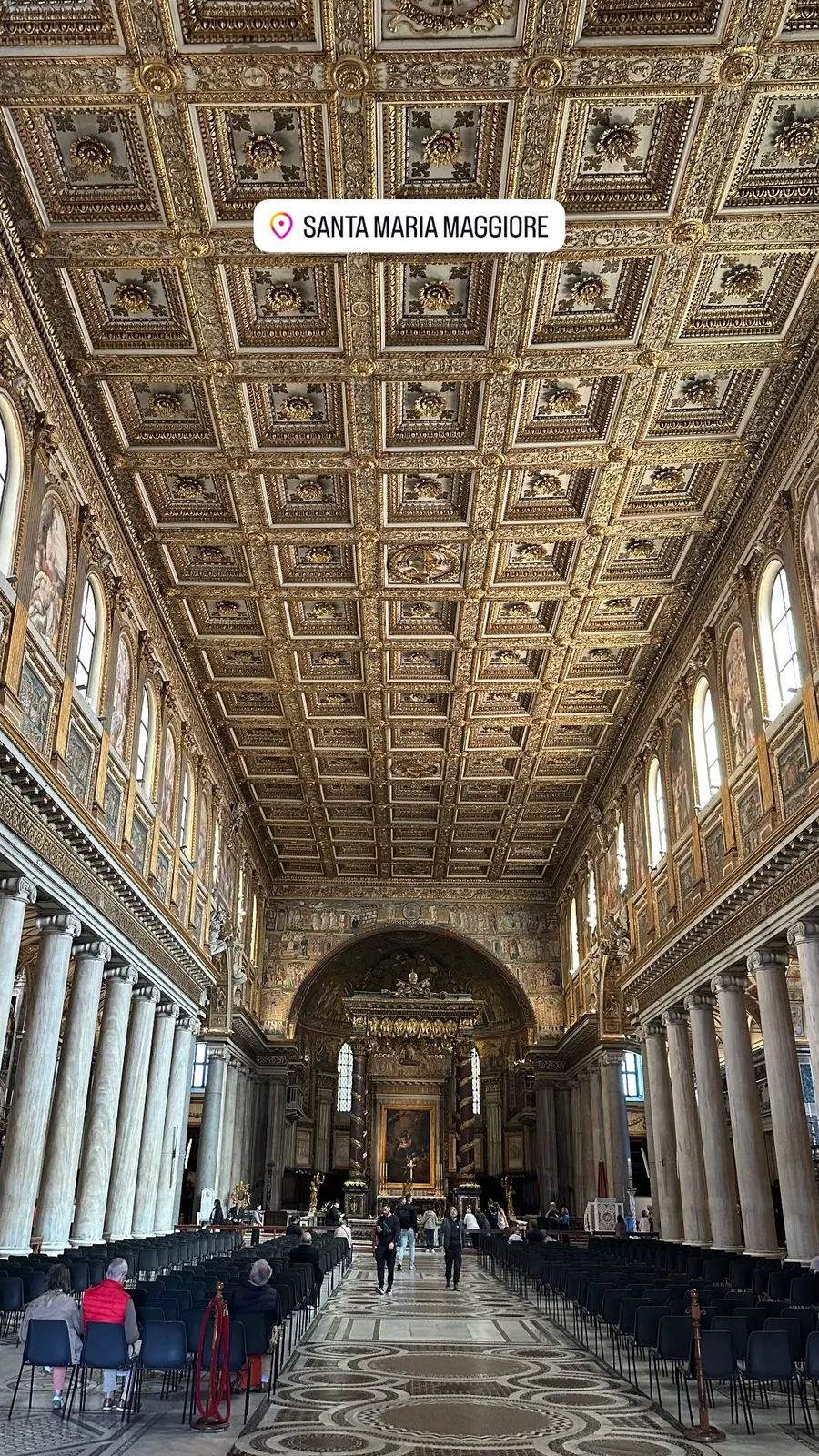
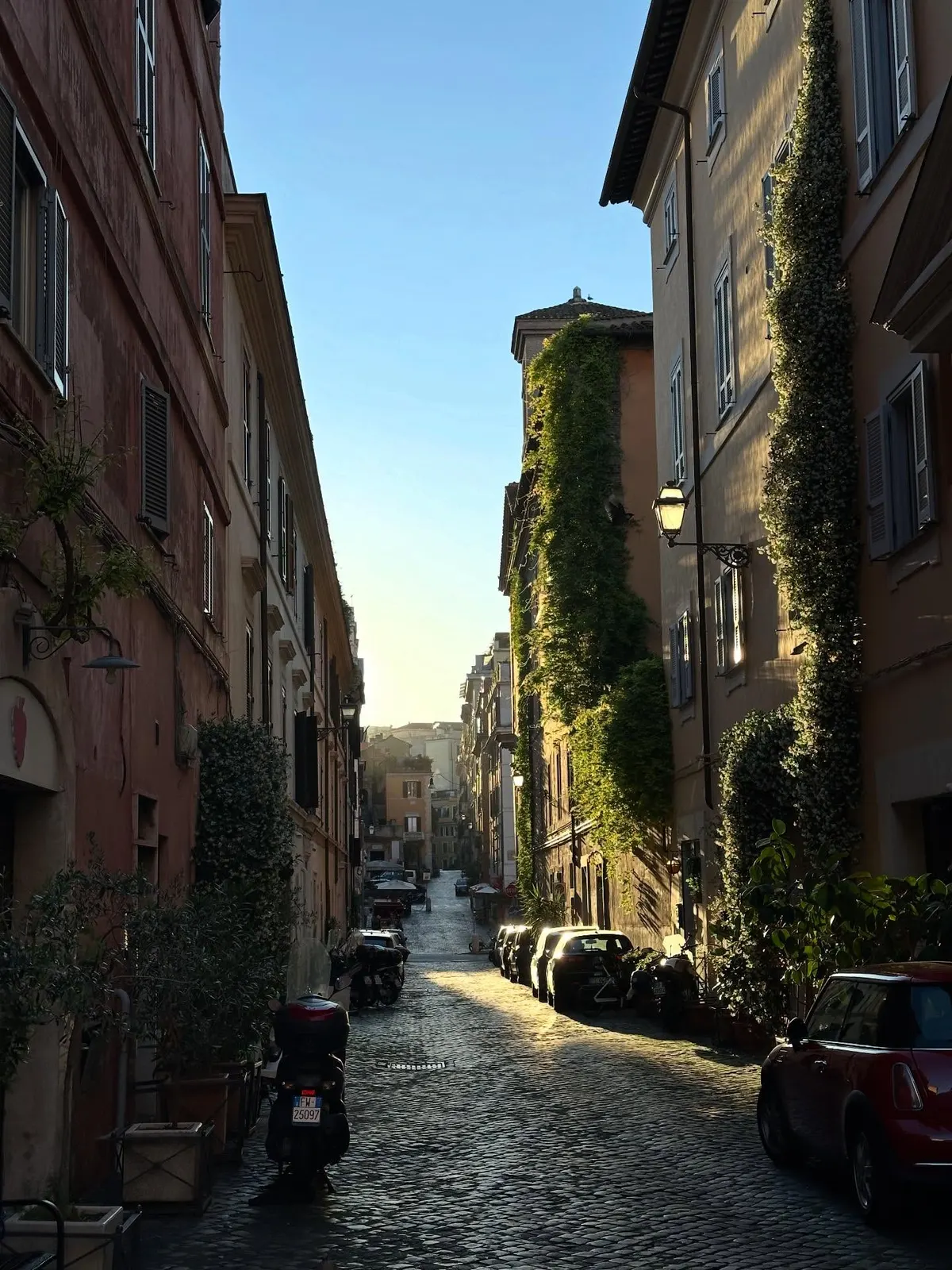
Video from this trip
Frequently asked questions
Is Rome overrated?
Rome itself holds up. The way most people do it does not: Trevi, Spanish Steps, Colosseum and Pantheon in one day at noon in July can ruin a trip. The city still delivers with its age, its side streets and its food, as long as you plan a bit.
How much does it cost to see the Trevi Fountain?
Since early February 2026, getting close to the Trevi basin costs 2 euros. Romans are exempt and the square itself stays free. The fee does not keep people away. It mostly manages the flow and pays for upkeep, and I find the spot a bit calmer now.
When is the best time to visit Rome?
Spring (April to June) and autumn (September to October) give you mild weather and fewer people than peak summer. January, February and November are usually the quietest, with cooler and wetter weather. Check event dates like the Rome Marathon weekend in April and 21 April before you lock in flights.
How do you avoid the crowds in Rome?
Go early or late, because Rome after dark is a different city once the tour groups are gone. Stay in a real neighbourhood like Trastevere or Testaccio, eat a few streets back from the landmarks and plan only two or three things per day. Ten minutes off the famous route and the city exhales.
Do you need to book tickets in advance in Rome?
For the big monuments and museums, yes. A pre-booked timed slot beats standing in line, especially in high season. I check the official sites first so I do not overpay a reseller, and I take an early slot for the Colosseum and the Forum.
What are the best day trips from Rome?
Ostia Antica is about 25 to 30 minutes by train, Tivoli is about an hour away with Villa d'Este and Hadrian's Villa, and Orvieto is around an hour and a quarter from Termini. All three work by public transport, but check current timetables first. Any one of them could be the best day of your stay.