What to do in Warsaw, Poland's reborn capital
The best things to do in Warsaw: the rebuilt Old Town, the Praga district, the parks and the food, from someone who keeps coming back to Poland's capital.
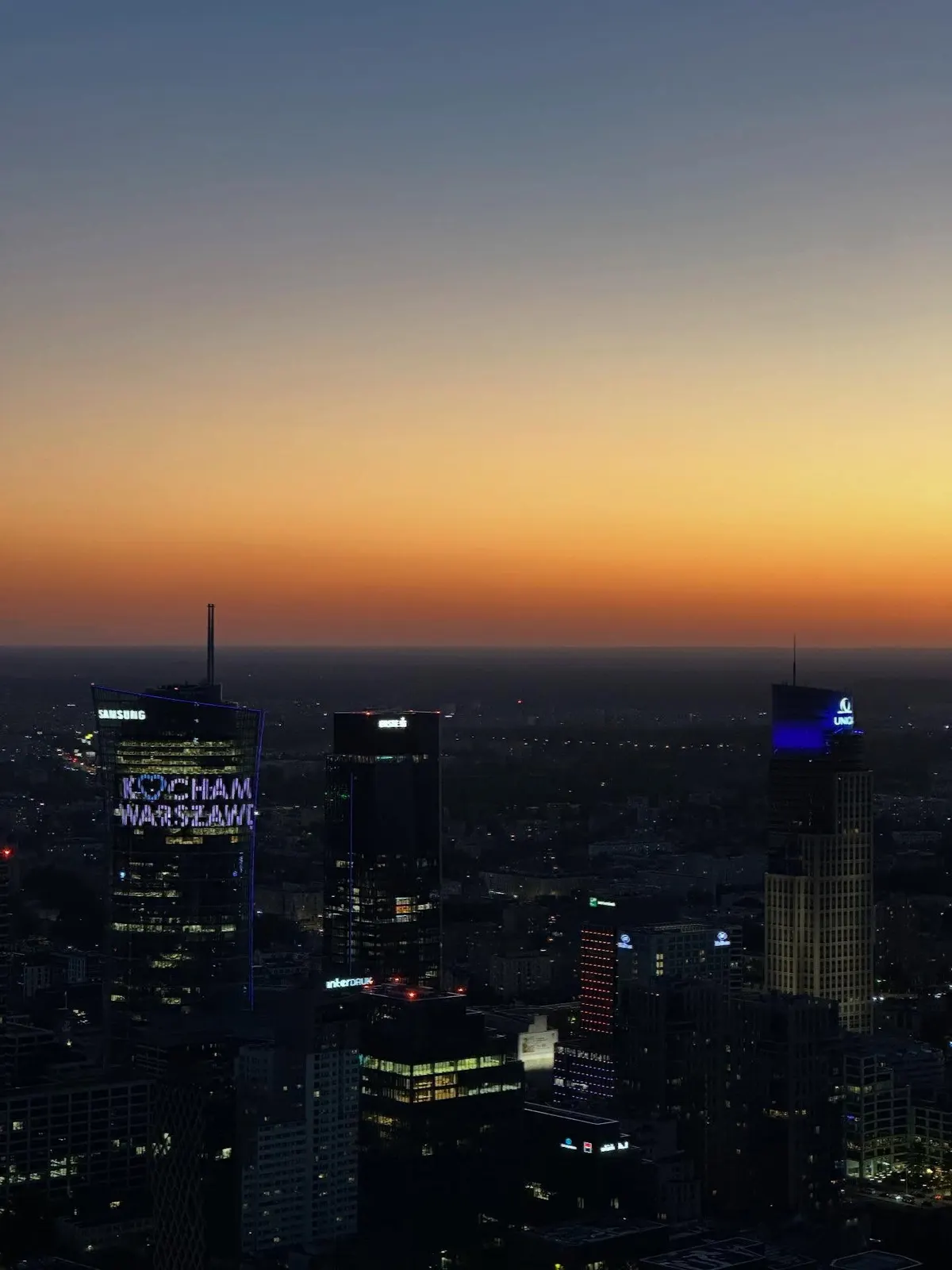
If you are looking for the best things to do in Warsaw, this is the guide I wish someone had handed me the first time I landed. Every time I come to Poland’s capital I expect to be done after a weekend, and every time the city proves me wrong. It is not the prettiest capital in Europe and it does not pretend to be. It has a story, a lot of energy and a food scene that keeps getting better, and that is why I keep going back.
Is Warsaw worth visiting?
People ask me this all the time, usually with a slightly doubtful look. My answer is yes, and you should give it more than one night.
Warsaw was almost completely destroyed in the Second World War, and you can feel that history in how the city is put together. Old and new sit next to each other without apology. Socialist-era blocks stand beside glass towers, and grand rebuilt facades face quiet courtyards. The city clicked for me once I stopped looking for a postcard and started paying attention to the layers. If you like character more than polish, you will get it quickly.
Explore the Warsaw Old Town
The Warsaw Old Town is the first stop for almost everyone. Nearly all of it was rebuilt after the war, using paintings, old photographs and the memories of the people who lived there. It is now a UNESCO World Heritage site, and it is easy to see why.
Walk through the market square early in the morning, before the tour groups arrive, and the pastel townhouses look almost unreal in the soft light. I also like the side streets along the old city walls, where it gets quieter and you can hear your own footsteps. Do not skip the Royal Castle on the edge of the square. It was rebuilt as well, and its story is as interesting as the rooms inside.
The best things to do beyond the Old Town
The Old Town is where the trip starts, not all of it. These are the places I keep returning to:
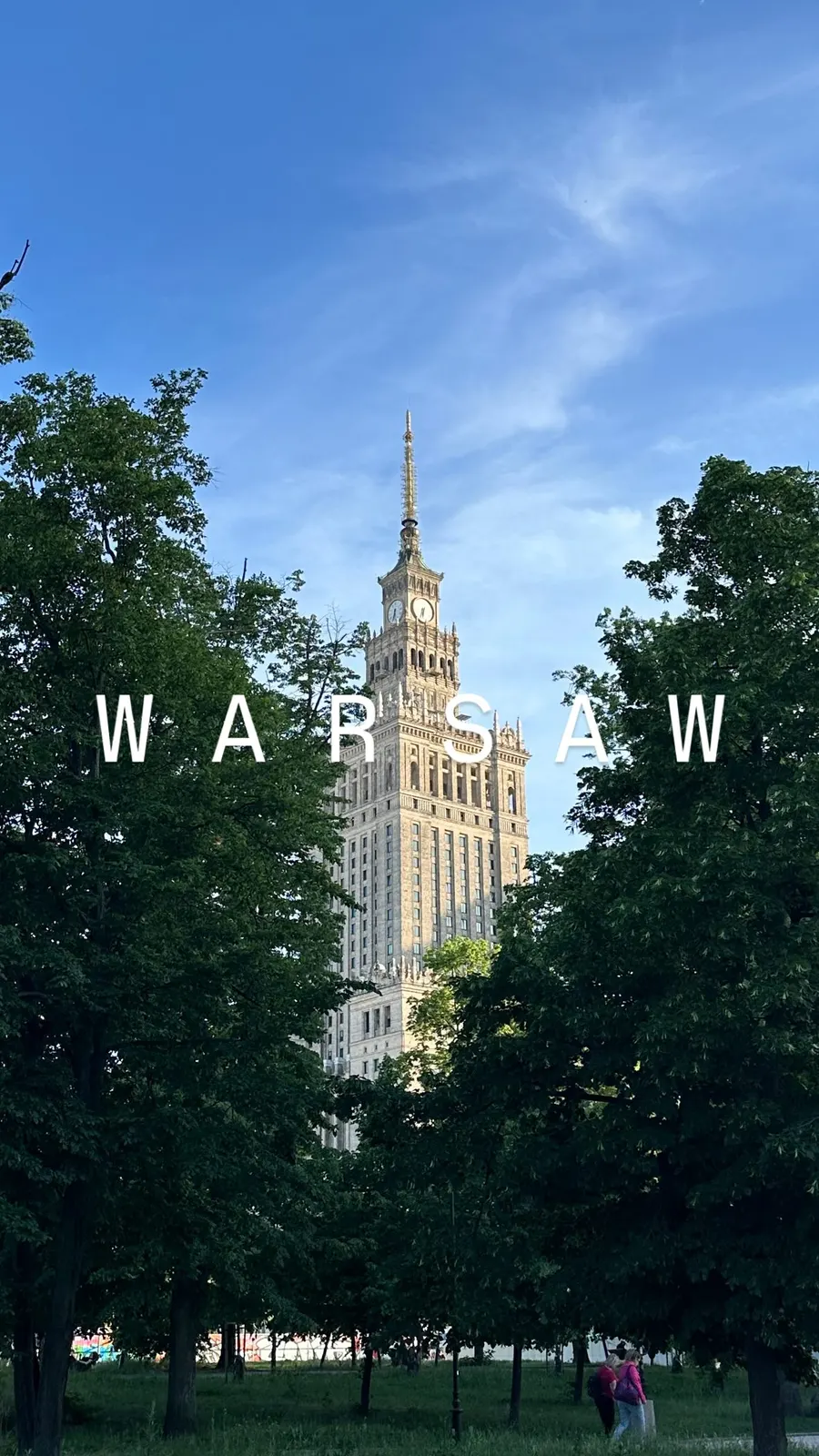
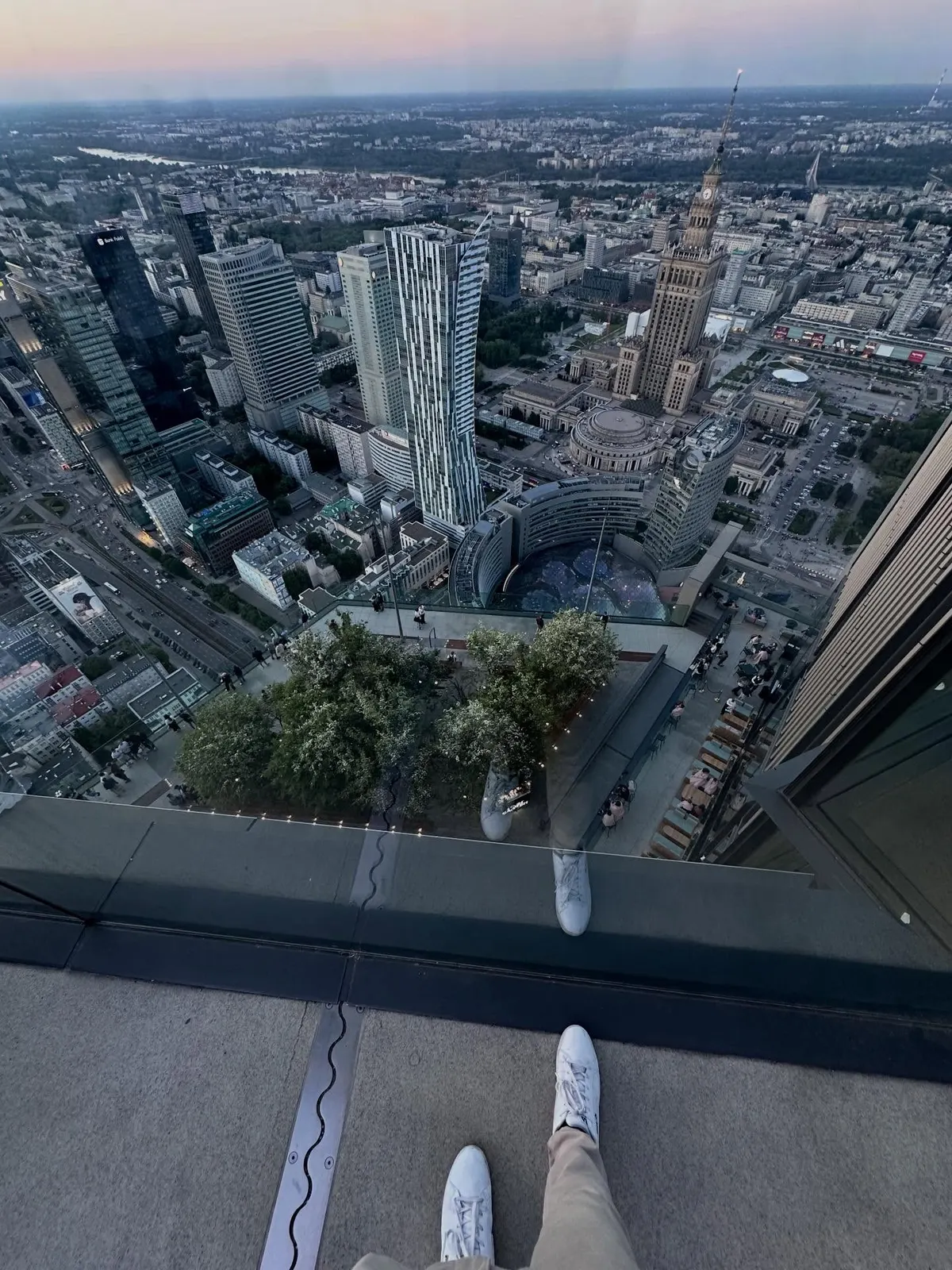
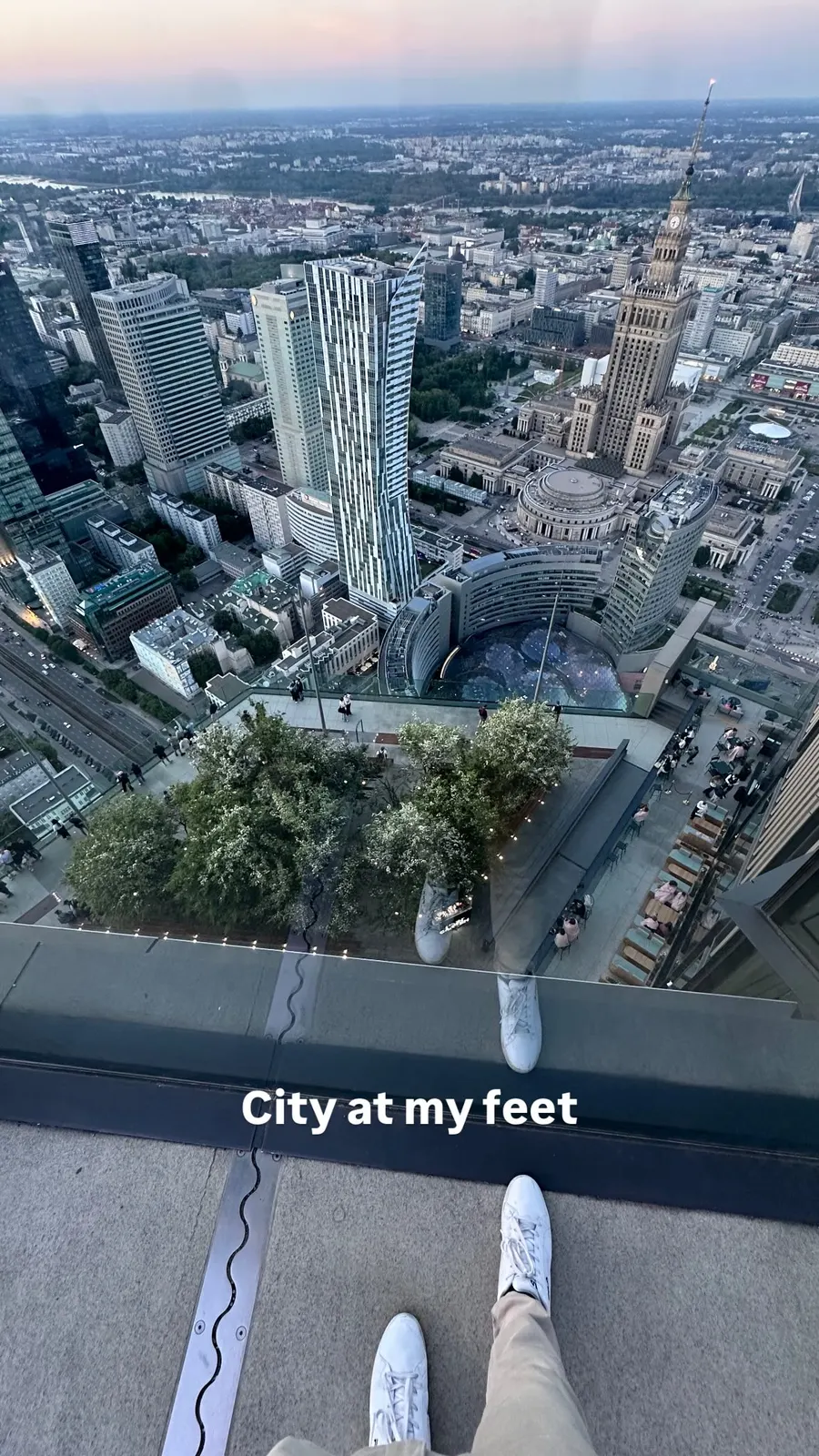
- The Palace of Culture and Science is a Stalin-era skyscraper that locals have a complicated relationship with. Go up to the viewing terrace for the best skyline view, which, funnily enough, is the one that does not include the palace itself.
- Lazienki Park is the city’s big green escape, with palaces, ponds and walking paths. On a sunny day half of Warsaw seems to be there with a coffee and a book.
- The Warsaw Uprising Museum is heavy but essential. It explained the city to me better than anything else, and I left quieter than I arrived.
- The Vistula riverbanks turn into the city’s living room in the warm months, with bars, music and people sitting on the sand.
You do not need to rush any of it. The city rewards slow days.
Where to stay in Warsaw
Where you stay changes the whole trip, so here is how I see the options.
Srodmiescie is the central district, close to the main sights and the train station. It is practical and well connected, a safe choice for a first visit.
The area around the Old Town has the most atmosphere, though you pay for the postcard setting and it can feel touristy in the evening.
Praga, on the east bank of the river, is my favourite. It came through the war with more of its old buildings intact, and today it mixes crumbling courtyards, street art, small galleries and some of the best bars in the city. If you want to see where Warsaw is heading creatively, spend an evening here.
What to eat and drink in Warsaw
Food is a big reason I keep returning. Start with pierogi in every shape, a bowl of hearty zurek and a proper plate of something meaty with potatoes. Then look for the newer places, because a young generation of chefs in Warsaw is reinventing Polish cooking in a way that feels fresh rather than forced.
For something cheap and cheerful, find a milk bar, one of the old-school canteens that survived from the socialist era. They are simple and cheap, and a good way to eat like a local. Keep some zloty in your pocket for places that still prefer cash, though cards work almost everywhere. Prices vary a lot depending on where you eat, so check current menus instead of trusting any number I give you.
How long to stay in Warsaw and when to go
Warsaw is easy to get around. The public transport is reliable, and the centre is walkable once you are there. I would give the city at least two full days, three if you want to include Praga and a museum or two. Spring and early autumn have been my favourite times, when the parks are green or golden and the terraces are open. Dress for the weather, because Polish winters are no joke.
You can connect Warsaw with Czechia or Hungary on a bigger Central European route. For more ideas, routes and tips from the road, start with my Poland guides.
Photos from this trip
Video from this trip
Frequently asked questions
Is Warsaw worth visiting?
Yes, and I would give it more than one night. Warsaw has layers: a rebuilt Old Town, socialist blocks, glass towers and a food scene that keeps getting better. If you like character more than polish, it clicks fast.
How many days do you need in Warsaw?
Two full days cover the Old Town, the main museums and a walk along the river. Add a third day if you want an evening in the Praga district and more time in a museum like the Warsaw Uprising Museum.
What is the best area to stay in Warsaw?
Srodmiescie, the central district, is the easiest base for a first visit and sits close to the train station. The Old Town has the most atmosphere but costs more. Praga, across the river, is my favourite for bars, street art and a more local feel.
Is Warsaw or Krakow better?
Krakow is the one you fall for at first sight: medieval and compact. Warsaw takes longer to grow on you. It is bigger, rawer and much more local. With time for only one, pick Krakow if you want the fairy tale and Warsaw if you want modern Poland. The train between them is easy, so do both if you can.
Is Warsaw expensive?
Compared with Western European capitals it is still good value, though prices have risen. Poland uses the zloty, not the euro. Milk bars and local canteens keep food cheap, while newer restaurants cost more. Check current menus rather than trusting a fixed figure.
When is the best time to visit Warsaw?
I like spring and early autumn best, when the parks are green or golden and the terraces are open. Summers are lively along the river. Winters are cold and dark, so pack properly if you go then.